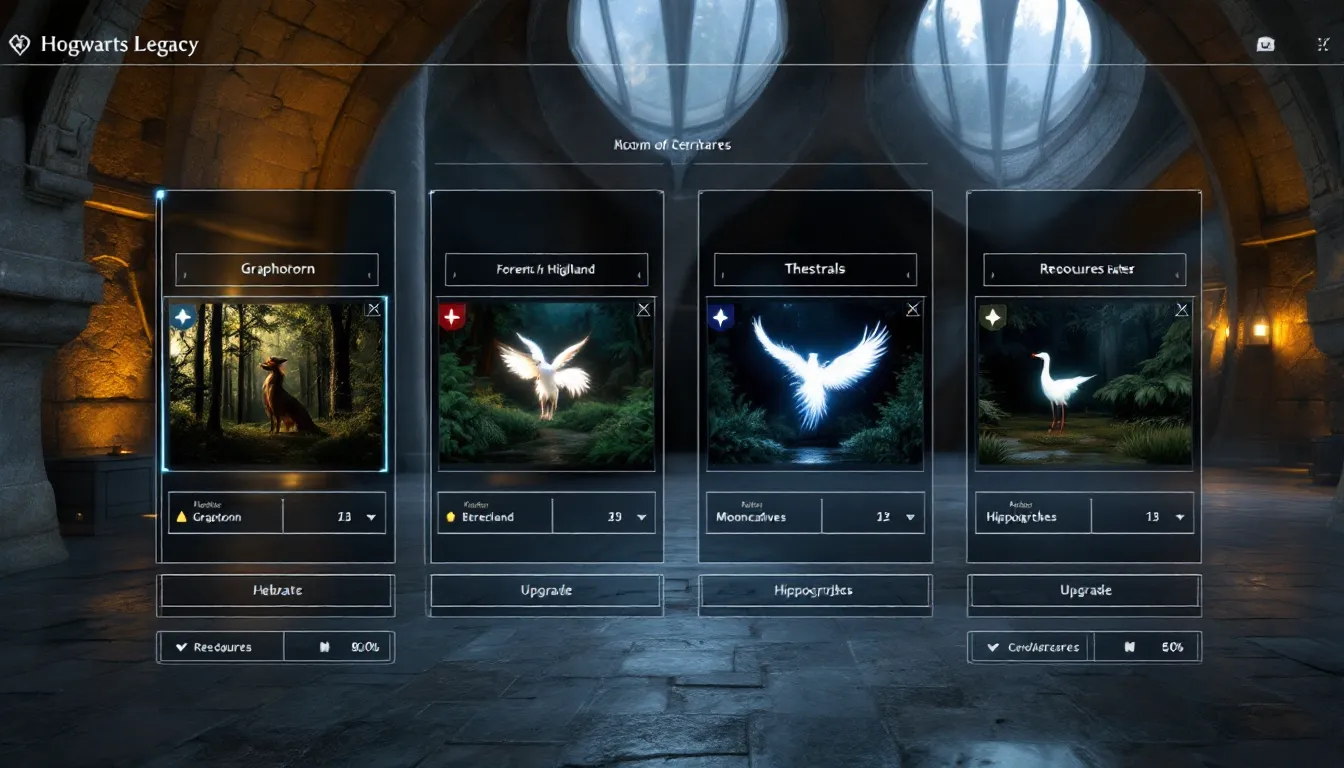
The vivarium in Hogwarts Legacy isn’t just a side feature, it’s one of the game’s most rewarding systems, letting players become a true beast master. Whether you’re catching rare creatures, breeding them for rewards, or harvesting resources to fuel your magical arsenal, the vivarium transforms how you experience the wizarding world. If you’ve been overlooking this beast reserve or feeling lost about how to maximize it, you’re missing out on a genuine depth that sets Hogwarts Legacy apart from other open-world RPGs. This guide breaks down everything from unlocking your first vivarium to mastering advanced breeding mechanics, so you can turn your creature collection into a powerhouse resource engine.
Table of Contents
ToggleKey Takeaways
- The Hogwarts Legacy vivarium is a hybrid sanctuary combining creature catching, breeding, and resource farming that unlocks roughly 2-3 hours into the main questline through the Room of Requirement.
- Placing creatures in their preferred habitats increases resource generation by 25-30% and improves breeding success rates, making intentional habitat selection critical for efficiency.
- Breeding is the vivarium’s most rewarding mechanic, producing rare color variants, new creatures, and valuable Vivarium Seeds while deepening relationships with specific characters.
- Successful vivarium management requires strategic creature selection focused on resources you actually use rather than hoarding rare creatures that waste valuable habitat space.
- The vivarium generates materials passively over time for potions, spells, and gear crafting, but active harvesting through creature interaction accelerates resource accumulation significantly.
What Is The Vivarium In Hogwarts Legacy?
The vivarium is your personal magical beast sanctuary, think of it as a hybrid between a stable, a breeding facility, and a resource farm. Located in the Room of Requirement, it serves multiple purposes: catching and housing creatures, breeding them to unlock rare variants, harvesting materials for potions and spell ingredients, and completing companion quests that unlock unique rewards.
Unlike typical creature-catching games, the vivarium ties directly into your progression. The creatures you house generate valuable resources over time, which you can automatically collect or harvest manually. Some beasts provide ingredients for healing items, others yield crafting materials for gear, and rare combinations unlock exclusive cosmetics and spells. It’s not mandatory, you can beat Hogwarts Legacy without touching it, but ignoring it means leaving substantial power and convenience on the table.
The system evolves as you progress. Early on, you’re catching common creatures and learning the basics. Later, you’re hunting down legendary beasts, managing complex breeding chains, and optimizing habitat layouts to maximize resource generation. It feels organic rather than grindy, partly because the vivarium doesn’t demand constant interaction: it runs in the background while you explore the world.
How To Unlock The Vivarium
You can’t access the vivarium immediately. It unlocks through the main questline, specifically during “In the Shadow of the Relic” after Professor Weasley grants you access to the Room of Requirement. This happens roughly 2-3 hours into the story, depending on your pace and how many side quests you complete.
Once you have the Room of Requirement unlocked, speak to Sebastian Sallow to begin vivarium setup. He’ll guide you through catching your first creatures and explain the core mechanics. The initial vivarium space is modest, you can house roughly 5-8 creatures depending on their size and your habitat expansions, so don’t stress if it feels cramped at first.
Before you start catching, understand that creatures have preferred habitats. Flobberworms like lush grass areas: Nifflers prefer rocky terrain. Placing them in their ideal habitat increases resource generation and breeding success rates. You don’t need to optimize perfectly from day one, but knowing this prevents wasted effort later.
One crucial detail: you need Beast Balls to catch creatures. You craft these using the potion station in the Room of Requirement. Stock up before heading out to hunt. Basic Beast Balls are cheap to craft (a few Fluxweed Stems and Mooncalf Tears), so don’t be stingy.
Vivarium Upgrades And Expansion
Expanding Your Beast Habitats
As your creature collection grows, you’ll need more space. The vivarium allows you to build additional habitats and expand existing ones. Each habitat upgrade costs Vivarium Seeds (a currency earned by feeding creatures and completing companion quests) and resources like Wood, Stone, and sometimes rare materials.
There are four primary habitat types: Forest, Desert, Highland, and Wetland. Each creatures thrives in specific environments. You don’t need all four immediately, but building them as you acquire creatures from those biomes streamlines your resource generation. A creature in its preferred habitat generates resources roughly 25-30% faster than one placed in a random enclosure.
Prioritize expanding your Forest habitat first, it houses some of the game’s most useful creatures early on, like Graphorns (excellent for potion ingredients) and Mooncalves (essential Tear drops). Highland habitats come next, followed by Desert and Wetland based on your play style.
The vivarium also has structural upgrades beyond new habitats. You can add feeding stations (reduce resource costs for maintaining creatures), nesting boxes (improve breeding success), and aesthetic decorations (they don’t boost stats, but the customization is genuinely fun). Focus on functional upgrades first if you’re optimizing efficiency.
Improving Vivarium Amenities
Amenities are quality-of-life improvements that reduce the grind without breaking the economy. A Feeding Station lets you feed multiple creatures simultaneously using less food overall. A Nesting Box increases breeding success rates by roughly 15-20%, which matters when hunting for rare color variants.
The Incubation Station is one of the best investments. Eggs take time to hatch naturally, but this structure cuts incubation time roughly in half. If you’re serious about breeding, grab this upgrade relatively early.
Resource generators come last, they’re nice but not critical. A Compost Pile slowly generates Vivarium Seeds over time without requiring creature interaction, which is convenient for passive players. None of these are game-breaking, so upgrade based on your playstyle rather than a rigid tier list.
One often-overlooked detail: leveling your vivarium facility itself. You gain experience through creature interaction, breeding, and resource harvesting. Higher facility levels unlock more amenity slots and allow larger creature capacities. It’s not a hard cap, you hit it naturally by playing, but knowing it exists helps you understand your long-term expansion potential.
Magical Beasts To Catch And Breed
Rare And Legendary Creatures
The vivarium contains roughly 30+ creatures, ranging from common to legendary rarity. Legendary beasts like Graphorns, Phoenix, and Thestrals are game-changers for specific playstyles. Graphorns generate potion ingredients reliably: Phoenixes are rare and impressive: Thestrals unlock unique questlines with specific characters.
Catching rares requires patience and strategy. Legendary creatures typically spawn in specific locations (usually later-game areas), and they’re far more evasive than common creatures. You’ll need upgraded Beast Balls, either Strongholds or Maxima variants, to have a reasonable catch rate. Miss several times, and they flee, forcing you to find another spawn elsewhere.
The color variants within each species are where true collecting appeal lies. A creature can have multiple coat colors, and rare colors (like black Graphorns or silver Mooncalves) are substantially harder to breed. Some players spend dozens of breeding cycles hunting for specific color combinations, it’s optional content, but deeply rewarding if you care about aesthetics.
Breeding Mechanics And Rewards
Breeding is the vivarium’s most complex mechanic. When two compatible creatures reach breeding age (signaled by a heart icon over their habitat), you can attempt a breeding cycle. Successful breeding produces an egg, which hatches into a new creature with inherited traits from both parents.
Breeding isn’t guaranteed, success rates depend on habitat quality, creature compatibility, and amenity upgrades. Two creatures of the same species will always produce offspring: breeding across species is rarer but occasionally happens, unlocking unique color variants or even hybrid-looking creatures (not true hybrids mechanically, but visually distinct).
Breeding rewards go beyond just new creatures. Each successful breed grants Vivarium Seeds (needed for habitat upgrades) and Companion Loyalty. If you breed a creature that’s bound to a specific character (like breeding two Hippogriffs linked to a Gryffindor student), you unlock unique quest-related dialogue or rewards from that character.
Some players optimize breeding to farm specific color variants or creatures for trading purposes (if playing with friends who have access to your vivarium). The breeding system is deep enough to support hundreds of hours of engagement if you’re into that level of min-maxing, but you don’t need it to beat the game or enjoy the vivarium. Most players strike a middle ground: breed occasionally when convenient, but don’t obsess over perfect genetics.
Vivarium Resources And Item Collection
Harvesting Materials For Potions And Spells
Your vivarium creatures generate valuable materials automatically over real time (or in-game time, depending on settings). A Mooncalf produces Mooncalf Tears, used for healing potions, beauty elixirs, and specific spells. Bowtruckles yield wood-based ingredients. Hippogriffs drop feathers for wand ingredients. The more creatures you house, the more diverse your resource streams become.
You don’t have to wait passively. Interacting with creatures directly harvests resources immediately. Petting a Niffler gives you instant materials: feeding creatures also yields small resource chunks. This active harvesting lets you stockpile ingredients faster if you’re preparing for a big potion-brewing session or spell crafting.
Resources tier by rarity. Common creatures drop basic ingredients (cheap to replenish, easy to find elsewhere). Legendary creatures yield rare materials that are harder to farm any other way. Breeding creatures strategically ensures you’re generating the specific resources you need without leaving your vivarium empty-handed.
One resource type is worth special mention: Ashwinder Eggs. These drop only from Ashwinders and are needed for specific high-tier potions and gear. If you need them, you must maintain at least one Ashwinder in your vivarium, making creature choice matter beyond just collecting.
Best Practices For Resource Management
Don’t just cram every creature into your vivarium. Be intentional. Identify which resources you use most (healing ingredients, spell components, gear crafting materials) and prioritize creatures that generate them. A smaller, optimized vivarium beats a bloated one full of creatures you’ll never harvest from.
Rotate creatures occasionally. If you’re swimming in Mooncalf Tears but starving for Phoenix Feathers, swap creatures around. The vivarium allows flexible management without penalties, so adapt to your current needs rather than locking into one configuration.
Feed creatures regularly, but don’t obsess. Feeding increases resource generation and creature happiness, both of which matter for breeding. But, creatures won’t die if unfed, and the penalty is gradual. You can skip feeding for days without consequence, it’s just not optimal. Most players find a rhythm: feed creatures when harvesting resources, or once every few in-game days.
Use the vivarium’s storage system strategically. Harvested materials stack automatically, but some resources cap at 999. If you’re approaching caps, either use resources immediately or leave creatures unfed temporarily. It’s a minor consideration, but worth knowing to avoid wasting generation opportunities.
Consider external farming too. The vivarium doesn’t replace all resource gathering. You can still harvest materials directly from the open world, craft potions, and find gear independently. The vivarium supplements these methods rather than replacing them entirely. Treat it as a convenience engine, not a resource monopoly.
Tips And Tricks For Vivarium Mastery
Optimizing Your Beast Reserve
Start small and expand thoughtfully. New players often fill their vivarium immediately and then regret housing low-value creatures. Instead, catch creatures intentionally, one or two at a time, and let them generate resources before expanding. This approach prevents overcrowding and keeps your vivarium profitable.
Leverage creature size mechanics. Some creatures (like Flobberworms) occupy minimal space: others (Graphorns, Dragons) demand substantial room. A single Dragon takes up as much space as 3-4 smaller creatures. If you’re space-constrained early on, stock smaller creatures to maximize your creature-to-space ratio, then upgrade habitats as you unlock more.
Plan breeding chains. If you want a specific rare color or creature variant, map out your breeding plan. Some color combinations require 3-4 generations of breeding to achieve, so patience and intentionality matter. Keep breeding notes (or screenshot goals) to avoid losing track mid-project.
Don’t sleep on character-specific creatures. Some characters have favorite creatures. Housing a Hippogriff increases Imelda Reyes’s loyalty: keeping a Thestrals builds connection with Sebastian Sallow. These aren’t required, but they deepen character relationships and unlock unique questlines. If you like a character, check their creature preference.
Use the zoom and rotate functions in the vivarium UI. The camera can feel clunky at first, but mastering navigation helps you spot eggs ready to hatch, creatures awaiting feeding, and resource nodes ripe for harvesting. Spend a few minutes familiarizing yourself with the UI before feeling frustrated.
Chain harvesting for efficiency. When harvesting resources, group similar-type creatures together visually. If all Forest creatures are on the left side of your vivarium, you can sweep through them quickly without backtracking. It sounds trivial, but organized layouts save serious time over hundreds of hours.
Common Mistakes To Avoid
Don’t catch creatures you don’t need just because they’re rare. Your vivarium space is finite. Hoarding legendary creatures you never interact with wastes valuable habitat room that could house productive creatures. Be selective: rarity doesn’t equal utility.
Avoid placing creatures in wrong habitats obsessively. Yes, wrong habitats reduce resource generation by 25-30%, but it’s not a game-breaker. If you’re temporarily space-constrained and must house a creature sub-optimally, do it. Perfectionism kills enjoyment.
Don’t ignore breeding altogether. Many players dismiss it as unnecessary, but breeding is one of vivarium’s most rewarding systems. Even casual breeding yields valuable color variants and extra Vivarium Seeds. You don’t need to breed obsessively, but completely skipping it means missing out on genuine depth.
Avoid feeding creatures excessively. It doesn’t improve generation rates beyond a certain point. Overfed creatures waste food resources. A “happy” creature (adequate feeding and good habitat) generates just as much as a “perfect” one. Moderation beats excess.
Don’t store creatures you’ll never use. If you catch a creature and it’s not contributing to your goals, release it. Your vivarium isn’t a museum: it’s a resource engine. Sentimental creatures are fine if they’re also productive, but dead weight just takes space.
Avoid breeding incompatible creatures repeatedly. Some species breed at far higher success rates than others. If a breeding pairing keeps failing, swap partners. You’ll recognize patterns after a few cycles. Stubbornness doesn’t improve odds, better genetics do.
One final mistake: ignoring the vivarium entirely. Newer players sometimes skip it because they don’t understand its value. Hogwarts Legacy for Beginners covers the basics well, but the vivarium deserves dedicated attention early on. Even 30 minutes spent setting it up yields dozens of hours of passive benefit later.
Conclusion
The vivarium transforms Hogwarts Legacy from a solid open-world RPG into something with genuine character collection depth. Whether you’re optimizing resource generation, breeding rare color variants, or simply enjoying the aesthetic of housing magical creatures, it rewards engagement without demanding constant attention. The system scales beautifully, casual players can ignore 90% of the breeding mechanics and still benefit from passive resource generation, while dedicated collectors can spend hundreds of hours perfecting genetics and layouts.
Mastering the vivarium isn’t about following a rigid meta. It’s about understanding how creatures, habitats, and breeding interact, then building a system that fits your playstyle. Some players optimize ruthlessly: others prioritize their favorite creatures regardless of efficiency. Both approaches are valid. The vivarium’s strength lies in its flexibility, there’s no single “correct” way to build your beast reserve.
If you’ve been overlooking this system, now’s the time to immerse. Start small, expand thoughtfully, and let your vivarium grow alongside your adventure through the wizarding world. You’ll unlock potions you’d otherwise farm manually, access exclusive cosmetics through breeding, and discover a surprisingly deep layer of Hogwarts Legacy that extends well beyond the main questline. The magic of the vivarium isn’t flashy, but it’s genuine, and that’s exactly what makes it worth the investment.