Hogwarts Legacy examples showcase why this game captured millions of players worldwide. The action RPG set in the Wizarding World delivers deep character creation, satisfying spell combat, and a massive open world to explore. Players who grew up with Harry Potter books and films finally got their chance to attend Hogwarts as their own unique witch or wizard. This article breaks down the standout features and gameplay moments that make Hogwarts Legacy memorable. From choosing a house to crafting potions in the Room of Requirement, these examples highlight what the game does best.
Table of Contents
ToggleKey Takeaways
- Hogwarts Legacy examples of character customization include detailed appearance options, Sorting Ceremony house selection, and personalized wand choices at Ollivanders.
- Combat rewards players who master spell combos—chaining spells like Levioso, Accio, and Incendio breaks enemy shields and delivers massive damage.
- Each Hogwarts house offers exclusive quest content, such as Slytherin’s Scriptorium mission and Hufflepuff’s Azkaban storyline, encouraging multiple playthroughs.
- Open world exploration features broomstick flying, magical creature mounts, and secrets hidden throughout Hogwarts Castle and the Scottish Highlands.
- The Room of Requirement serves as a customizable hub for potion brewing, gear upgrades, and rescuing magical creatures.
- Branching storylines and moral choices—especially in Sebastian Sallow’s quest line—demonstrate standout Hogwarts Legacy examples of narrative depth.
Character Customization and House Selection
Hogwarts Legacy examples of character customization give players impressive control over their witch or wizard’s appearance. The character creator includes options for face shape, skin tone, hair styles, eye color, and voice pitch. Players can add freckles, scars, and different complexion details. The system separates voice and dormitory choices from physical appearance, allowing greater freedom in self-expression.
House selection stands as one of the most exciting early moments. Players answer questions through a Sorting Ceremony that feels authentic to the source material. The Sorting Hat considers responses before announcing the result. But, players can override the Hat’s choice and pick their preferred house, Gryffindor, Slytherin, Ravenclaw, or Hufflepuff.
Each house provides a unique common room location and exclusive quest content. Slytherin students access a quest involving Ominis Gaunt and the Scriptorium. Hufflepuff players get content tied to Azkaban prison. These Hogwarts Legacy examples of house-specific content encourage multiple playthroughs.
The wand selection at Ollivanders adds another personal touch. Players choose wood type, core material, flexibility, and length. While these choices don’t affect gameplay stats, they contribute to the role-playing experience that makes the game special.
Spell Casting and Combat Examples
Combat offers some of the best Hogwarts Legacy examples of gameplay innovation. The spell system lets players equip multiple spells across different loadouts. Switching between spell sets during battle keeps combat fast and strategic.
Basic attacks use the standard cast button, but real damage comes from combining spells. Levioso lifts enemies into the air. Accio pulls them close. Incendio sets them on fire. Chaining these spells together breaks enemy shields and deals massive damage. Players who master spell combos feel like powerful wizards.
Defensive options include Protego for blocking and Stupefy for stunning attackers. The game rewards well-timed blocks with counterattack opportunities. Dodging and rolling help against unblockable attacks marked by red indicators.
Dark Arts spells provide Hogwarts Legacy examples of moral choice in combat. Players can learn Crucio, Imperio, and Avada Kedavra. Using these forbidden curses affects certain dialogue options but doesn’t lock players into a “dark” path. The Unforgivable Curses deal heavy damage and offer unique crowd control effects.
Boss battles test everything players learn. The troll fights early in the game teach positioning and dodge timing. Later battles against dark wizards require quick spell switching and environmental awareness. Ancient Magic finishers add cinematic kills that feel earned after tough fights.
Open World Exploration Highlights
Hogwarts Legacy examples of open world design show careful attention to the Wizarding World setting. The Scottish Highlands surrounding Hogwarts contain forests, caves, ruins, and small villages. Each area offers collectibles, enemy camps, and secrets to discover.
Flying on a broomstick remains a player favorite. The game unlocks brooms after completing specific story missions. Players can purchase different broom models with varying speeds. Racing through the air above Hogwarts feels genuinely magical.
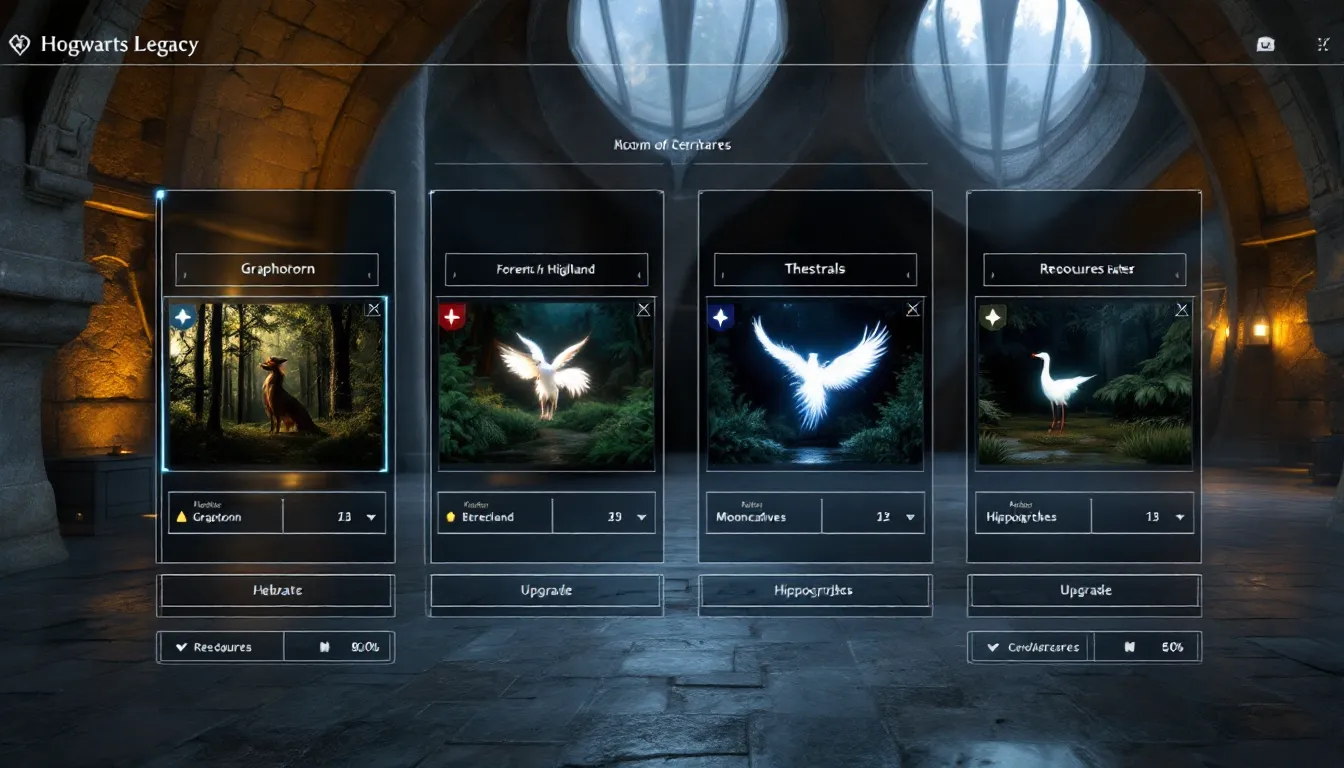
Mount options expand exploration further. Players can tame and ride Hippogriffs, Thestrals, and other magical creatures. The Graphorn mount becomes available late in the game and can charge through obstacles.
Hogwarts Castle itself provides hours of exploration content. The moving staircases, hidden passages, and secret rooms reward curious players. Finding Demiguise statues unlocks the Alohomora spell upgrades needed to access locked areas throughout the world.
Hogsmeade village offers shopping, side quests, and atmospheric details. Players visit familiar locations like The Three Broomsticks and Honeydukes. The attention to detail in these Hogwarts Legacy examples of world-building creates genuine immersion for fans.
Field Guide pages scattered across the map provide lore and experience points. Completing collection challenges encourages thorough exploration of every region.
Quests and Story Moments Worth Experiencing
The main story delivers strong Hogwarts Legacy examples of narrative design. Players arrive at Hogwarts as a fifth-year student who can see and manipulate ancient magic. This ability draws attention from allies and enemies alike.
Professor Fig serves as a mentor figure throughout the campaign. His investigation into Ranrok and the Keepers provides the central mystery. The relationship between student and professor gives emotional weight to story events.
Side quests offer surprising variety. Some involve helping classmates with personal problems. Others send players into dangerous dungeons filled with puzzles and combat. The Poppy Sweeting quest line about magical creature protection stands out as a fan favorite.
Relationship quests with Sebastian Sallow present difficult moral choices. His story involves dark magic, family tragedy, and consequences that players directly influence. These Hogwarts Legacy examples of branching narrative show the game’s ambition beyond simple good-versus-evil plots.
Seasonal events and holidays appear as the in-game calendar progresses. Attending the Halloween feast or seeing Hogwarts decorated for winter adds charm to the school year experience.
The game features multiple endings based on player choices. Key decisions about ancient magic and certain character fates determine the final outcome.
Room of Requirement and Crafting Examples
The Room of Requirement provides excellent Hogwarts Legacy examples of base-building mechanics. Players unlock this space through the main story and gradually expand its capabilities. The room transforms based on what players need.
Potion brewing stations let players create Wiggenweld healing potions, Edurus protective potions, and combat enhancers like Maxima. Gathering ingredients from the open world or growing them in personal gardens supplies the crafting system.
The loom station handles gear upgrades. Players add traits to equipment that boost specific abilities. A cloak might increase spell damage while boots could reduce cooldown times. Finding trait recipes encourages exploration and enemy farming.
Vivarium spaces within the Room of Requirement house rescued magical creatures. Players capture beasts using the Nab-Sack tool and release them into comfortable habitats. Caring for creatures, feeding and brushing them, produces materials used in gear upgrades.
Decoration options let players personalize the Room of Requirement. Furniture, plants, and magical objects can be placed freely. Conjuration spells learned from Professor Weasley unlock new items to create.
These Hogwarts Legacy examples of crafting and customization add gameplay depth between story missions. Managing beast populations, brewing potions, and upgrading gear creates satisfying progression loops.