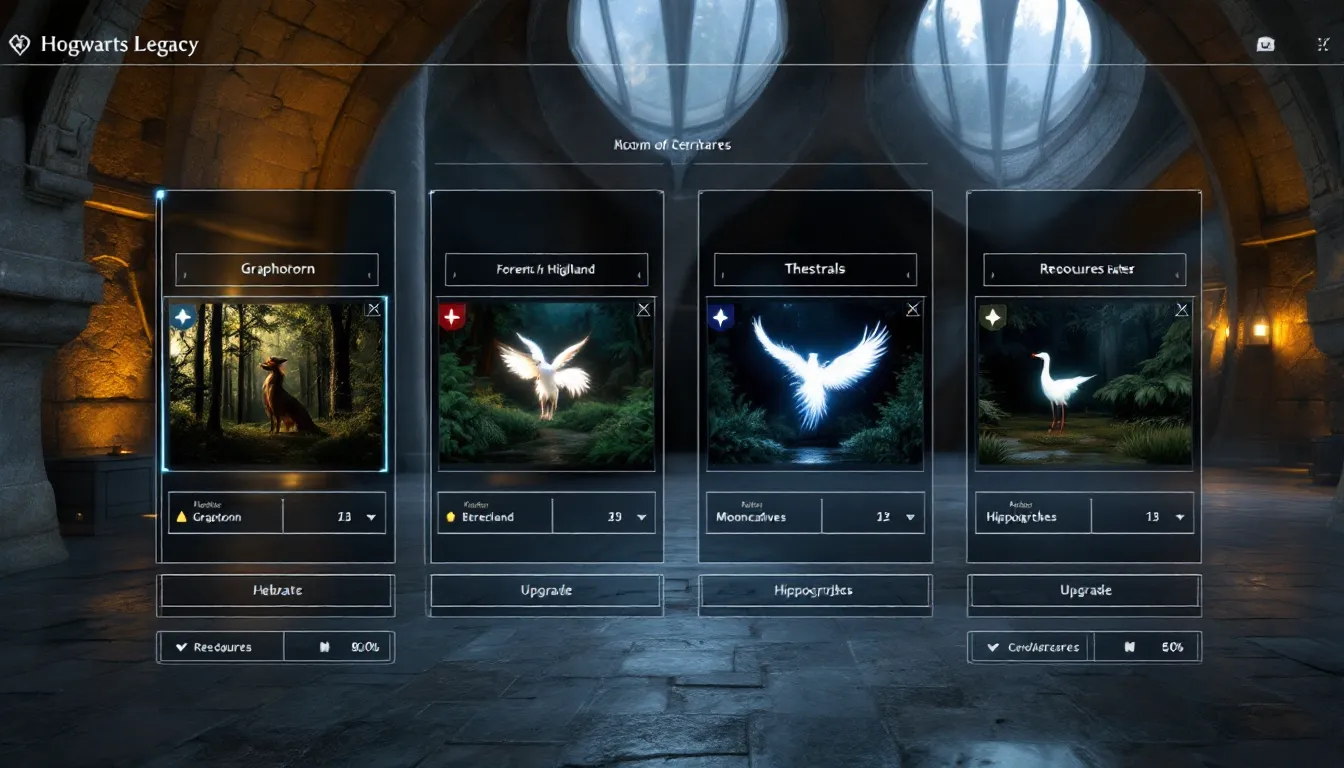
Hogwarts Castle is the pulsing heart of Hogwarts Legacy, and getting to know it inside and out transforms how you experience the game. Whether you’re a first-year just arriving at the gates or a veteran player hunting down that last collectible, the castle rewards exploration in ways few games manage. From hidden passages that shortcut across entire wings to secret chambers packed with rare loot, every corridor and staircase holds something worth discovering. This guide breaks down the castle’s layout, essential progression locations, collectible hotspots, and the NPCs and services that matter most. You’ll learn how to navigate like you’ve been there for years, because let’s face it, after 20+ hours exploring Hogwarts, you pretty much have been.
Table of Contents
ToggleKey Takeaways
- Hogwarts Castle layout includes six essential fast travel points—Grand Staircase, Room of Requirement, Common Rooms, Library Annex, Transfiguration Courtyard, and Undercroft—that dramatically reduce navigation time and improve exploration efficiency.
- Hidden passages and secret shortcuts like the Floating Candles Corridor and Passage Behind the Tapestry provide practical ways to bypass entire castle sections and streamline spell grinding and potion crafting.
- Classrooms are critical progression hubs where you unlock and upgrade spells; the Potions, Transfiguration, and Defense Against the Dark Arts classrooms require multiple visits throughout your playthrough for spell mastery.
- Demiguise Statues unlocking progressive Alohomora spell levels gate access to treasure chests across the castle, making collectible hunting essential for obtaining high-value gear and rewards.
- Bonding with companion characters like Sebastian Sallow, Ominis Gaunt, and Poppy Sweeting in the Common Room unlocks personal quests and powerful duel special moves that enhance both narrative depth and combat effectiveness.
- The Room of Requirement functions as a secondary hub for brewing potions, practicing duels, and displaying your collection, making it invaluable for endgame preparation and gear organization.
Understanding Hogwarts Castle Layout and Geography
Hogwarts Castle is genuinely massive, and the first time you’re wandering its halls, it’s easy to feel lost. But there’s a method to the madness. The castle is built vertically and horizontally, with multiple interconnected wings, towers, and underground areas. Understanding the broad strokes of its layout saves you hours of backtracking and helps you spot shortcuts you’d otherwise miss.
Main Hub Areas and Fast Travel Points
The castle’s fast travel system is built around key hub areas, and knowing which ones matter most accelerates your movement significantly. The Grand Staircase sits near the center of the castle and serves as one of your primary anchors, it’s the fast travel point you’ll hit most frequently. From there, you can branch into the Entrance Courtyard (your main exit point), the Library Annex, and passages leading to both Hogsmeade Village and the Defense Against the Dark Arts classroom.
The Room of Requirement becomes accessible after progressing Sebastian Sallow’s questline and functions as a secondary hub once unlocked. Fast traveling here puts you near multiple progression areas, including potions stations and combat arenas. If you’re working toward specific spell unlocks or potion crafting, this becomes your base of operations.
The Fat Lady’s Chamber and surrounding Common Room areas vary depending on your house, but they’re essential for character bonding. Each house has its own dedicated fast travel point near the Common Room, making it easy to return for conversations with companion characters.
Other critical fast travel points include the Library Annex (pure lore and collectibles), the Transfiguration Courtyard (outdoor space with multiple exits), and the Undercroft entrance (dark magic training). Memorizing these six fast travel spots cuts navigation time in half.
Hidden Passages and Secret Shortcuts
The castle’s real joy lies in discovering hidden passages. These aren’t just flavor, they’re practical shortcuts that bypass entire sections of castle whenever you’re trying to reach a distant classroom or quickly flip between areas. The Floating Candles Corridor connects the Library Annex directly to the Defense Against the Dark Arts tower, skipping the main castle entirely. This is your best shortcut if you’re grinding spell upgrades.
The Passage Behind the Tapestry near the Grand Staircase opens into a smaller hallway leading toward the Potions Classroom. It saves about 90 seconds of walking each trip. Less dramatic than some secret passages, but when you’re making 20+ trips to the Potions classroom, those seconds compound.
There’s also a narrow passage beneath the kitchen stairwell that connects to the Artefact Storage Room, which matters if you’re hunting Demiguise Statues in that area. Most players never find it naturally: it’s tucked away enough that you need to actively explore rather than just follow quest markers.
The Undercroft has its own web of passages connecting to the Serpent’s Eye and various dark magic training areas. These passages are more about atmosphere than efficiency, but they’re worth finding once for the feeling of discovering forbidden routes through the castle. Some passages require you to solve simple environmental puzzles, nothing complex, mostly moving obstacles or revealing doors through spells, but these moments add texture to exploration.
Essential Castle Locations for Progression
Progression in Hogwarts Legacy is deeply tied to specific castle locations. You can’t advance spells, unlock new abilities, or unlock crucial story moments without knowing exactly where to go. These locations aren’t optional, they’re the castle’s backbone for character development.
The Common Room and Character Development
Your house’s Common Room is where bonding with companion characters happens, and bonding unlocks their personal quests, special interactions, and eventually their unique special move in duels. The Common Room is a safe space without enemies, you’ll spend time here talking to Sebastian, Ominis, Poppy, Natty, and whoever else captures your attention. Each conversation is triggered naturally (you don’t need to grind: they approach you organically), but the Common Room is where these moments predominantly occur.
Progression-wise, the more time you spend here, the more story depth you unlock. Sebastian’s arc, which involves some of the most morally complex moments in the game, unfolds partially through Common Room conversations. Missing these conversations doesn’t lock you out of content, but it thins the narrative considerably. Similarly, Ominis’s relationship to dark magic becomes richer if you engage with his doubts in the Common Room before heading into the Undercroft together.
The Common Room also serves as your quiet hub. After hours of combat and exploration, it’s genuinely peaceful to sit here, and some players use it as a stopping point between major quests just to soak in the castle’s cozy atmosphere.
Classrooms and Spell Mastery
The castle’s classrooms are where you unlock new spells and upgrade them, and this is critical because your combat effectiveness directly correlates to your spell arsenal. Each of the major classrooms, Potions, Transfiguration, Defense Against the Dark Arts, and Herbology, teaches new spells and offers upgrade opportunities through repeatable challenges.
The Potions Classroom is where you learn brewing and upgrading potions. Professor Sharp runs skill challenges here, and completing them unlocks new potion recipes and boosts their potency. This matters more than it first appears, high-tier potions turn difficult fights into manageable ones. Spending 20 minutes grinding Potions challenges pays dividends in boss fights.
The Transfiguration Courtyard focuses on defensive and utility spells. Stupefy, Protego, and other crucial spells are learned or upgraded here. The courtyard itself is an open outdoor space with multiple challenge areas, so you’re not bottlenecked into a single room.
The Defense Against the Dark Arts classroom and its adjacent tower contain the game’s most powerful offensive spells. Crucio, Avada Kedavra, and Bombarda are among the top-tier damage dealers, and unlocking them requires progressing through the classroom’s challenge system. Combat difficulty spikes sharply if you’re ignoring this location, equipping high-tier offensive spells is nearly mandatory for endgame encounters.
Each classroom has multiple challenge tiers (basic through advanced), and completing higher tiers unlocks spell upgrades that increase damage or effect potency. Revisiting classrooms multiple times is expected and rewarded: there’s no “finishing” a classroom and moving on, you’re constantly cycling through for incremental spell improvements.
The Undercroft and Dark Magic Training
The Undercroft is where dark magic lives, and accessing it requires Sebastian Sallow’s storyline to progress. It’s not optional if you want access to the game’s most powerful offensive spells like Avada Kedavra and Crucio before learning them through normal progression. The Undercroft operates on a separate questline, and progressing it unlocks dark magic techniques faster than the traditional classroom route.
Progressing the Undercroft also gates your morality slider. Using dark magic spells and training in the Undercroft incrementally shifts your character toward darker choices. This doesn’t lock you out of content, but it does influence how certain NPCs react to you and which questlines open up. Some players deliberately use the Undercroft to fully embrace a villain aesthetic: others avoid it to maintain a heroic image.
The Undercroft’s layout includes multiple combat arenas and a potion-brewing station. If you’re grinding dark magic spells, you’ll be here frequently. The location itself is visually distinct from the rest of the castle, all dark stone and eerie lighting, and it’s worth exploring just for atmosphere. Finding all the Demiguise Statues in the Undercroft requires familiarity with its branching passages.
Exploring Side Areas: Towers, Dungeons, and Courtyards
Beyond the main progression hubs, Hogwarts Castle sprawls with side areas that are easy to overlook but rewarding to explore. These spaces contain collectibles, hidden encounters, and environmental storytelling that flesh out the castle’s history and hidden secrets.
Climbing the Castle Towers for Collectibles
The castle has multiple towers, each one with distinct collectible placements and environmental challenges. The Astronomy Tower is one of the highest points and requires navigating a spiral staircase, nothing dangerous, but the climb is genuinely long. At the top, you’ll find Field Guide Entries related to astronomy and rare creatures, plus a few treasure chests. The view is gorgeous, which matters if you’re playing for atmosphere.
The Defense Against the Dark Arts tower (separate from the classroom area) contains multiple floors with combat encounters and collectibles. Unlike the Astronomy Tower’s peacefulness, this tower spawns enemies on higher floors, turning it into a mini-dungeon. It’s worth clearing once for the Field Guide Entries and loot, though most players don’t revisit it regularly.
The Bell Tower is smaller but contains a Demiguise Statue puzzle that requires solving an environmental puzzle before you can access the statue. These tower puzzles are straightforward, mostly moving objects or revealing hidden passages through spells, but they prevent you from just rushing through and grabbing everything instantly.
Climbing towers is also where you encounter some of the castle’s verticality. It’s easy to forget Hogwarts Legacy is a 3D space with meaningful height when you’re mostly walking horizontally through hallways. The towers remind you that the castle extends upward significantly, and some players deliberately climb them just to see the expanding view as you rise.
Dungeon Secrets and Combat Encounters
The castle’s dungeons are deeper and more labyrinthine than towers. The main dungeons are accessed through the Dungeons area (near the Potions Classroom), and they’re filled with enemies, traps, and loot. Unlike towers, dungeons are actively hostile, you’re not peacefully collecting: you’re fighting your way through.
The Lower Dungeons branch into multiple wings, each with different enemy types and treasure concentrations. The layout is maze-like, and some paths lead to dead ends, forcing you to backtrack and try alternate routes. This isn’t frustrating: it encourages exploration. A chest behind a locked door might be worth finding if the key is hidden nearby.
Dungeons also contain puzzle doors that require solving environmental challenges or using specific spells to unlock. These puzzles never feel overly complex, the game doesn’t want to gate content behind obtuse challenges, but they’re enough to slow you down and make discovery feel earned. Some dungeon areas require you to extinguish cursed torches or move specific objects into place.
Enemy encounters in dungeons are harder than general castle combat, so bringing potions and having your spells upgraded is smart. Dungeons are where you’ll face tougher enemy variants, including Trolls and Graphorns, so clearing them isn’t a casual stroll. Most players don’t need to fully explore dungeons for progression, but the loot concentration is high enough that at least one thorough pass-through is worthwhile.
Courtyard Exploration and Environmental Puzzles
The castle’s courtyards are outdoor spaces connecting different sections and offering breathing room from hallways. The Transfiguration Courtyard is the largest and serves as a hub: the Clock Tower Courtyard is smaller but visually striking: the Hogwarts Bridge courtyard connects the castle to outlying areas. Each courtyard has its own collectibles and environmental details.
Courtyards contain environmental puzzles unique to their layout. The Transfiguration Courtyard has spells-based puzzles (reveal hidden objects, move platforms, light braziers), while other courtyards might require finding specific items or solving non-combat challenges. None of these puzzles are difficult, the game doesn’t gate valuable content behind obtuse riddles, but they add exploration depth beyond just walking and fighting.
Courtyards also contain flying puzzle solutions. If you’re on the broom, some courtyards have collectible floating crystals or rings that require flying through specific paths. This matters less for core progression and more for completionists hunting Field Guide Entries and cosmetic unlocks. Flying challenges aren’t separate dungeons: they’re woven into courtyard exploration, so you’ll encounter them naturally while moving between areas.
Collectibles and Hidden Treasures Throughout the Castle
The castle hides collectibles across every location, and finding them unlocks cosmetics, house points, and in-game currency. This isn’t busywork, the collection system is designed to reward exploration, and finding a hidden chest always feels like discovery rather than grinding.
Finding Field Guide Entries and Lore
Field Guide Entries are the castle’s primary collectible, and they’re scattered throughout every area. Each entry documents a creature, spell, potion ingredient, or notable location, and collecting them fills out your guidebook. The practical reward is minimal (mostly cosmetics and house points), but the lore is genuinely interesting if you care about the wizarding world’s depth.
Field Guide Entries are found through multiple methods: defeating specific enemy types, discovering creatures in specific locations, opening hidden chests, and completing environmental challenges. Some entries are earned through combat (defeat 10 Dark Wizards, for example), while others are location-based (find the entry in the Transfiguration Courtyard). This variety ensures you’re not stuck doing one type of task to complete your collection.
Entries related to creatures in the castle (Pixies, Bowtruckles, Jobberknolls) often require you to find those creatures in specific locations and observe them or interact with them. This encourages you to revisit areas you’ve already cleared and explore them more thoroughly. A hidden corner you missed on your first pass might contain a Bowtruckle hiding near a tree.
The Field Guide also documents spells, and learning new spells or upgrading them sometimes triggers an entry unlock. This happens automatically, so you’re not hunting for these, they’re unlocked through natural progression.
Finding all Field Guide Entries isn’t necessary for story completion, but it’s worthwhile if you’re invested in the world. The lore tidbits flesh out Hogwarts’ history and the magical creatures populating it.
Demiguise Statues and Chest Locations
Demiguise Statues are the castle’s main treasure hunt mechanic. There are roughly 30 of them scattered throughout the castle and grounds, and each one you find unlocks a spell: Alohomora. This spell opens locked chests and doors, and unlocking it requires finding Demiguise Statues progressively. You need to find at least one statue to unlock Alohomora Level 1, which opens bronze locks: at least five to unlock Level 2 (silver locks): and so on.
Statues aren’t hidden behind combat, they’re environmental finds. You’ll spot them sitting on shelves, perched on high ledges, or tucked into alcoves. Some require you to climb to high areas or solve environmental puzzles to reach them, but none of them are locked behind story progression or high combat requirements. A statue in the Library Annex might require moving a bookshelf to access: one in a tower might require climbing specific stairs to reach a high shelf.
The progression-gating of Demiguise Statues is brilliant design. Early on, you find statues easily enough to progressively unlock Alohomora upgrades. Later, you’re hunting for the last few statues, which are tucked into increasingly obscure corners. This progression keeps exploration rewarding throughout your playthrough rather than frontloading all valuable finds early.
Treasure chests themselves are found throughout the castle. Bronze-locked chests (opened with Alohomora Level 1) contain basic loot: coins and common items. Silver-locked chests (Level 2) contain better gear and more currency. Dark-locked chests (requiring special progression) contain rare cosmetics and high-value loot. This progression means you’re incentivized to seek out Demiguise Statues not just for completion but for actual rewards.
Chests aren’t randomly placed, they cluster in certain areas. The Dungeons are dense with chests because that area is harder to reach and progress. The Library Annex has multiple chests near Demiguise Statues because that area is designed as a collectibles hub. Learning where chests tend to spawn helps you hunt them efficiently without using a map.
Interactive Castle Features and NPCs
The castle isn’t just static geometry, it’s populated with NPCs and interactive systems that make it feel alive. Engaging with these systems unlocks quests, unlocks unique interactions, and deepens your connection to the world and characters.
Meeting and Bonding with Companion Characters
Companion bonding is the castle’s strongest social mechanic. Sebastian Sallow, Ominis Gaunt, Poppy Sweeting, and Natty Onai are your primary companions, and building relationships with them unlocks personal quests, special moves in duels, and significant story moments. These characters congregate in the Common Room at different times, and talking to them triggers conversations.
Bonding doesn’t require grinding, conversations trigger naturally based on story progression and time spent in the Common Room. You can’t rush relationships. Sebastian’s questline unfolds over the entire game and involves major decisions about dark magic. Poppy’s questline connects to her rescue of magical creatures. Each companion has a distinct arc, and only by bonding with them do these arcs fully unfold.
Each companion also unlocks a special move in duels. Sebastian’s move involves dark magic bolts: Ominis’s uses disarming techniques: Poppy’s brings creatures to aid you. These special moves are powerful in combat and feel earned because you’ve spent time connecting with the character. Using a companion’s special move in a duel feels like a payoff to your relationship investment.
Beyond companions, the castle contains numerous minor NPCs, professors, other students, staff members, who populate the world and make it feel like a living school. Talking to them offers flavor dialogue and occasionally side quests. These interactions aren’t mandatory, but they’re worth experiencing if you care about immersion.
Several NPCs trigger side quests that unlock unique rewards. Sophronia Franklin offers quests related to pranks and mischief: Amit Thakkar involves astronomy challenges: Revealer Shalal offers stealth-focused quests. These quests are optional but often lead to valuable rewards like new spells or cosmetics.
Using Castle Services: The Room of Requirement
The Room of Requirement becomes available after progressing Sebastian’s storyline, and it functions as a private space where you can organize gear, brew potions, practice dueling, and engage with your collected plants and creatures. It’s part functional hub and part personalization system.
The Room’s primary function is its dueling arena. You can practice against NPCs here, which is excellent for testing spell combinations or practicing against difficult enemies before facing them in the actual world. Unlike story duels, practice duels have no stakes, you can experiment freely and learn combat patterns without consequences.
The Room also contains a potion-brewing station where you can craft potions for your inventory. High-tier potions like Baruffio’s Brain Elixir (increases spell damage) and Veritaserum (reveals enemy status) are crucial for endgame content. Brewing potions requires ingredients found throughout the world, so the Room becomes a hub for turning raw materials into combat-ready supplies.
You can also plant and harvest magical plants in the Room, though this is more cosmetic than practical. Some players enjoy maintaining a garden: others ignore it entirely. The plants don’t significantly boost your power progression, but collecting rare plant varieties is satisfying if you’re into that aspect.
The Room also displays your collected Demiguise Statues and Field Guide Entries as decorations. This visual display of your collection is rewarding, seeing dozens of statues arranged in your private space reinforces how much you’ve explored. This might sound like a small thing, but completion-focused players genuinely enjoy this aspect.
The Room’s fast travel point makes it a convenient hub for quick potion brewing and gear organization before heading out into the world or starting combat-heavy segments. As you progress, you’ll find yourself returning to the Room repeatedly, and it becomes a second home base alongside your house’s Common Room.
Performance Tips for Navigating the Castle
Hogwarts Legacy’s castle is massive, and performance can vary depending on your platform. Understanding how to navigate efficiently, both mechanically and performance-wise, enhances your experience across PC, PS5, Xbox Series X
|
S, and Switch.
Fast travel liberally. The castle’s size means traveling on foot between distant areas takes time. Once you unlock fast travel points, use them without hesitation. Some players feel like fast travel breaks immersion, but the castle is big enough that walking everywhere turns exploration into tedious commuting. Fast travel is there for a reason.
Use the map actively. The castle map in your inventory marks locked doors, chests, and points of interest. Before heading into an unfamiliar area, check the map to see what’s available. This prevents running past a valuable chest because you didn’t know it was there.
On console, particularly PS5 and Xbox Series X
|
S, the castle runs at stable frame rates with decent draw distance. Switch performance is noticeably lower, with some frame rate dips in crowded castle areas and reduced texture quality. If you’re playing on Switch, expect occasional stutters in high-traffic areas like the Grand Staircase during peak times (when many NPCs are in the same location).
Reduce NPC density if performance becomes an issue. In the game’s settings, you can adjust NPC population density, which helps on lower-end hardware. Fewer NPCs means smoother performance at the cost of the castle feeling less alive. It’s a tradeoff worth considering if you’re playing on Switch or a lower-end PC.
Explore strategically. Rather than aimlessly wandering, pick a specific area and thoroughly explore it before moving elsewhere. This prevents the “I know I’ve been here but I can’t remember where the exits are” feeling. The castle is confusing enough that methodical exploration beats random wandering.
Learn the courtyard shortcuts. Most courtyards have multiple exits, and taking the right exit can cut your travel time significantly. The Transfiguration Courtyard connects to nearly half the castle, making it a central hub. Learning its layout pays off repeatedly.
For completionists hunting all collectibles, using a guide specific to Demiguise Statues alongside natural exploration prevents you from missing the last few statues. The final statues are deliberately obscure, and even thorough players sometimes miss one or two. A quick reference guide helps close that gap without spoiling the earlier discoveries.
Conclusion
Hogwarts Castle is the game’s greatest achievement. It’s not just a location: it’s a character in itself, sprawling, intricate, and endlessly rewarding to explore. Whether you’re grinding spell upgrades in the classrooms, hunting Demiguise Statues, deepening relationships with companion characters, or just enjoying the architecture and atmosphere, the castle offers something for every playstyle.
The key to mastering it is balancing efficiency with exploration. Use fast travel to avoid busywork, but take time to veer off the beaten path and discover hidden passages and tucked-away treasures. Talk to NPCs, complete their quests, and let their stories unfold naturally. Spend time in the Common Room not because it’s mandatory but because it’s genuinely cozy. The castle rewards players who treat exploration as something to savor rather than a checklist to power through.
As you progress through your playthrough, whether it’s your first visit to Hogwarts or your fifth, the castle reveals new layers. A passage you missed, a character interaction you overlooked, a collectible hiding in plain sight: these moments remind you why Hogwarts Legacy captured millions of players. The castle is where the magic lives, quite literally. Master its layout, embrace its mysteries, and you’ll unlock the best version of this wizarding adventure.