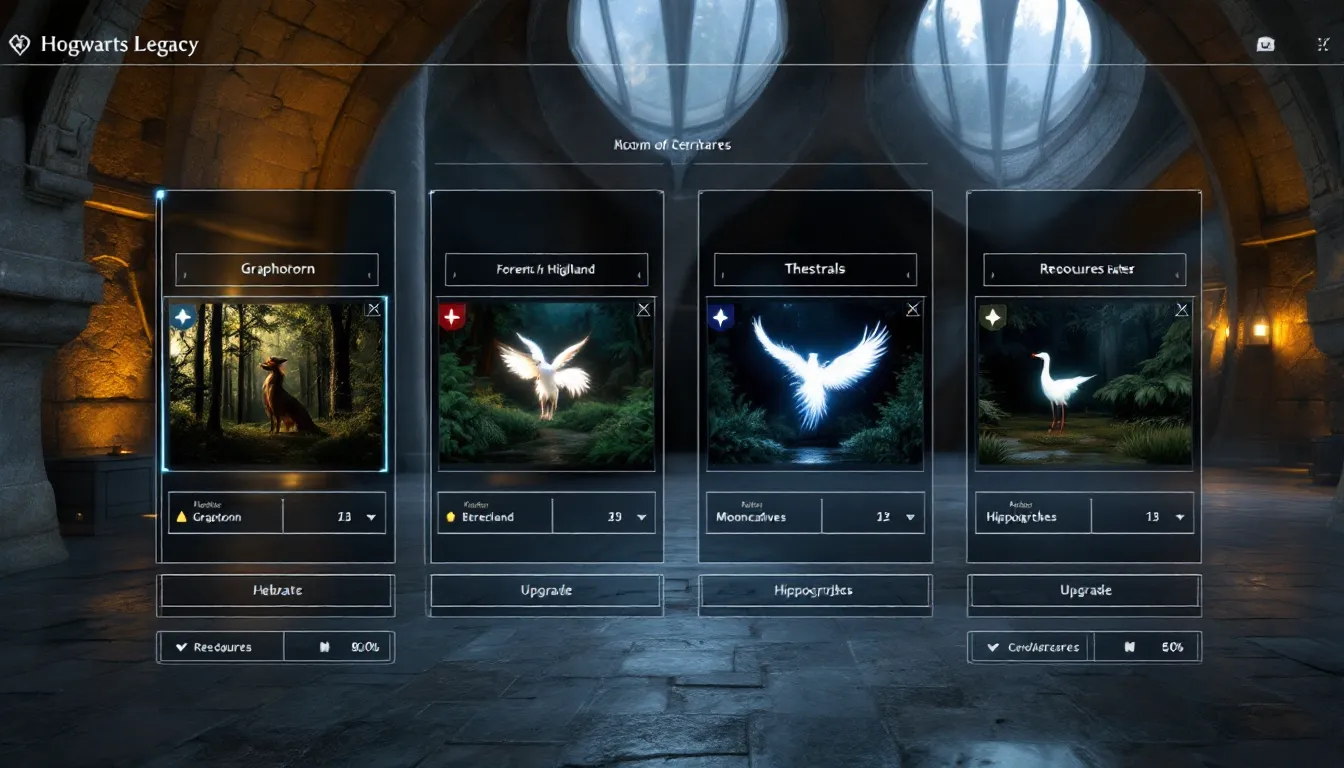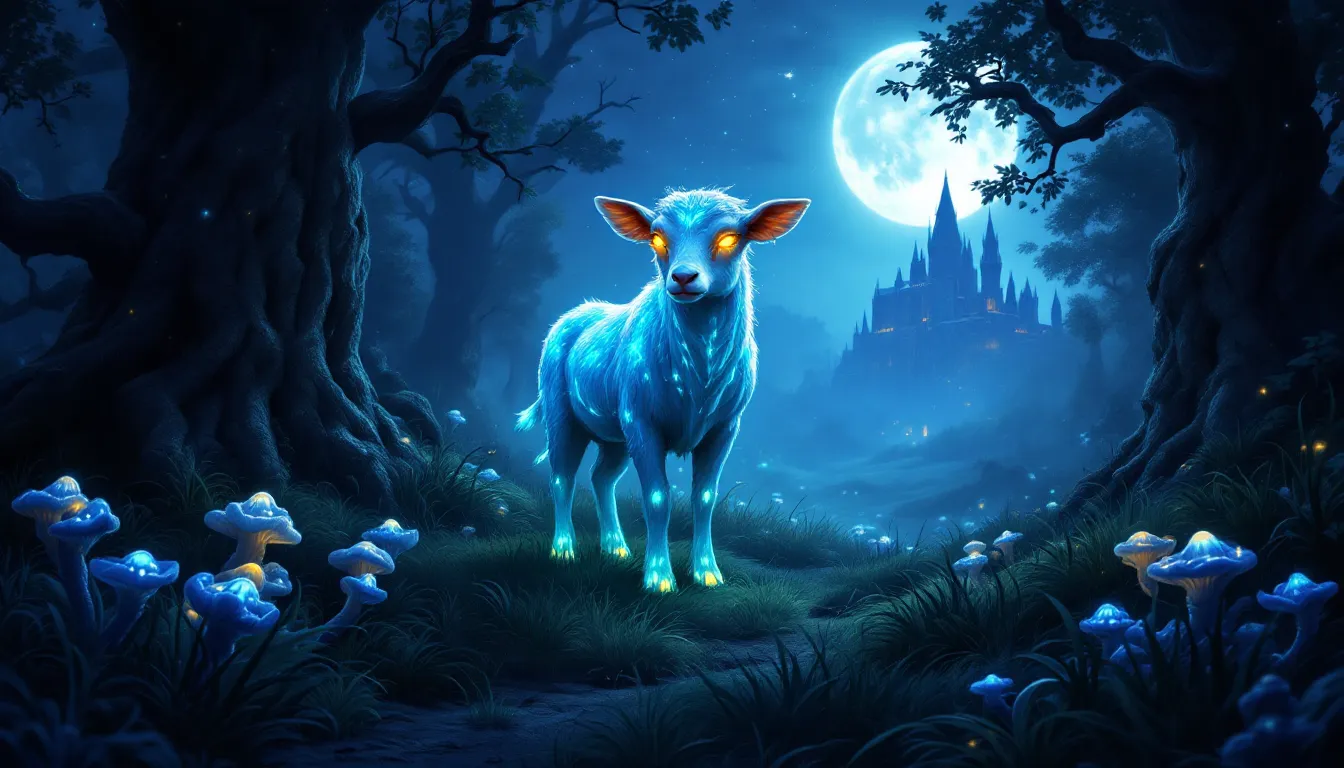
If you’ve been wandering the grounds of Hogwarts and caught glimpses of small, ethereal creatures with moonlit eyes, you’ve spotted mooncalves. These delicate magical beasts are among the most rewarding creatures to befriend and breed in Hogwarts Legacy. Whether you’re a casual explorer or someone hunting for every collectible and resource, understanding mooncalves can significantly enhance your experience. They’re not just adorable, they’re integral to progression, offering unique materials, valuable traits, and even combat advantages when properly trained. This guide breaks down everything you need to know about locating, caring for, and maximizing the potential of mooncalves in your vivarium.
Table of Contents
ToggleKey Takeaways
- Mooncalves in Hogwarts Legacy spawn exclusively during nighttime in locations like the Forbidden Forest, Headmaster’s Courtyard, and fields south of the castle—always wait for in-game nightfall before hunting.
- Capture mooncalves by crouching and using the Nab-Sack at close range; avoid combat spells since these docile creatures will flee if attacked.
- Mooncalves require spacious, cool vivarium enclosures with moonlit lighting, herbivorous food (crafted or foraged), and regular interaction to maintain happiness above 60% for optimal resource production.
- Breeding mooncalves with inherited rare traits like ‘Brilliant Coat’ or ‘Swift Healer’ generates premium offspring worth 500-800 galleons and funds vivarium expansion.
- In combat, mooncalves excel as support beasts providing passive healing (Moonlight Aura) and spellcasting buffs (Lunar Blessing) during night encounters, but lack damage output for boss fights.
- Mooncalves produce valuable resources including Mooncalf Tears (80-120 galleons), Dung (40-60 galleons), and Hair (150-200 galleons)—happy mooncalves generate 30-40% more materials, creating consistent passive income for crafting and potion-brewing.
What Is A Mooncalf And Why Should You Care?
Mooncalves are small, four-legged magical creatures that resemble a cross between a goat and a deer, characterized by their luminescent appearance and gentle demeanor. In Hogwarts Legacy, they’re classified as a magical beast that only emerges at night, hence the name. They’re docile by nature, making them ideal for players who prefer a more peaceful approach to creature care.
Why invest time in mooncalves? Beyond their aesthetic charm, they’re practical assets. Mooncalves produce valuable resources like mooncalf tears and dung, both crucial ingredients for potion-brewing and crafting. Their rarity in the wild means that successfully capturing and breeding them gives you a significant economic advantage. Also, mooncalves can be trained for combat situations where their abilities provide meaningful buffs to your spellcasting. Some players overlook them in favor of more dramatic beasts, but that’s a missed opportunity, they’re among the most consistent resource generators in the game.
How To Find And Capture Mooncalves
Finding mooncalves requires patience and the right approach. Unlike some creatures that roam openly during daylight, mooncalves demand a specific strategy. The first step is understanding their spawn patterns and habitats.
Best Locations To Encounter Mooncalves
Mooncalves appear exclusively during night hours in the game’s day-night cycle. The prime locations for encountering them include:
• Forbidden Forest edges – The areas near the forest’s perimeter are reliable spawn points, particularly around the grassy clearings
• Headmaster’s Courtyard surroundings – The grounds near the castle castle exterior sometimes host mooncalves during night cycles
• Field south of the castle – Open grassland areas south of Hogwarts proper frequently spawn mooncalves after sunset
• Hogsmeade vicinity – The countryside surrounding the village occasionally spawns them, especially in less-explored areas
Timing is everything. Always wait for nighttime in-game before hunting. If you fast-travel or rest to trigger night, mooncalves should appear within 5-10 minutes of exploration. Patience beats rushing, they spawn randomly, and multiple visits to the same location often yield different results.
Optimal Capture Techniques And Strategies
Capturing mooncalves alive requires the Nab-Sack, your primary beast-capturing tool. Don’t attempt combat capture: mooncalves aren’t aggressive, but attacking them will cause them to flee or become hostile. Here’s the optimal approach:
Approach strategy: Crouch and move slowly toward the creature. Unlike aggressive beasts, mooncalves won’t immediately notice you if you’re cautious. Get within range (roughly 20 feet) before deploying your capture gear.
The Nab-Sack deployment: Press the assigned button to use your Nab-Sack. A quick animation follows, and if successful, the mooncalf is captured without incident. Success rates are high with mooncalves because they’re docile.
Multiple captures: If you’re breeding mooncalves or want backups, return to the same location across multiple in-game nights. Creatures respawn, so you can capture multiple mooncalves from the same spot.
Avoid using combat spells. The goal is capture, not confrontation. If a mooncalf does flee, reload or return to that location the next night, they’ll respawn. Many players use Hogwarts Legacy for Beginners: as a starting reference to learn creature capture basics before specializing in mooncalf hunting.
Mooncalf Care And Breeding In The Vivarium
Once you’ve captured mooncalves, the real work begins. The vivarium is your beast-care hub, and mooncalves have specific environmental and nutritional needs. Neglect them, and they’ll become unhappy, produce fewer resources, and resist breeding.
Housing And Environmental Needs
Mooncalves thrive in spacious, outdoor vivarium enclosures. They prefer cooler environments with open sky access, which mimics their natural nocturnal habitat. Here’s what they need:
Enclosure type: Assign mooncalves to open-air or semi-open vivarium sections. Avoid enclosed spaces, they become stressed and unproductive. A dedicated mooncalf pen prevents competition for space with more aggressive creatures.
Environmental comfort: The vivarium allows you to adjust lighting and temperature settings in specific areas. Mooncalves are happiest under moonlit or neutral lighting. If your vivarium is too brightly lit (as if by daylight), they’ll show stress indicators. Dim the lighting in their enclosure or ensure moon-phase appropriate conditions.
Space allocation: Each mooncalf requires roughly 50 square feet of vivarium space to remain comfortable. Overcrowding reduces happiness and breeding success. If you’re keeping multiple mooncalves, invest in expanding your vivarium accordingly.
Feeding And Health Management
Feeding mooncalves requires the right diet. They’re herbivorous and prefer specific vegetation, unlike carnivorous beasts that demand different resources.
Preferred food items: Mooncalves eat:
- Mooncalf food (crafted via the Vivarium menu using Shrivelfig and Baruffio’s Brain Elixir components)
- Wild vegetables (available throughout the Forbidden Forest)
- Specialized creature feed (purchased from beast merchants in Hogsmeade)
Feed them once per in-game day cycle. An underfed mooncalf becomes stressed, refusing to produce resources or breed. Monitor their happiness meter in the Vivarium interface, if it dips below 60%, immediately restock their food supply.
Health monitoring: Healthy mooncalves display a green happiness indicator. If a mooncalf becomes ill or injured (rare, given their docile nature), use Wiggentree Bark or Mooncalf Essence potions from your inventory. These curative items restore health quickly.
Happiness maintenance: Beyond feeding, happiness is tied to environmental comfort and breeding success. Regularly interact with your mooncalves (pet them), maintain optimal enclosure conditions, and ensure they’re not overcrowded. Happy mooncalves produce 30-40% more resources than stressed ones.
Breeding Mooncalves For Rare Traits
Breeding mooncalves unlocks high-value offspring with inherited and randomized traits. This is where serious players maximize their investment.
Requirements: You need at least two mooncalves of different sexes. Check the Vivarium interface to confirm sex and compatibility. Once paired, they’ll breed automatically over approximately 3-5 in-game days, producing a juvenile mooncalf.
Trait inheritance: Offspring inherit traits from both parents. If you breed two mooncalves with rare color patterns or exceptional stats, the baby will likely inherit one or both parental traits, plus potentially mutate into an even rarer variant. This opens up trading opportunities, rare mooncalves command high prices.
Selective breeding strategy: To breed for specific traits (like rare coat colors or stat bonuses), keep detailed notes on each mooncalf’s traits. Pair high-trait parents repeatedly. It’s tedious but profitable. Some mooncalves develop traits like “enhanced potion ingredients” (their drops are more valuable) or “swift breeding” (they reproduce faster).
Many players reference Hogwarts Legacy Guide: Essential Tips for New Witches and Wizards for baseline creature care before diving into advanced breeding strategies. The fundamental principles carry over, but mooncalf breeding demands patience and strategic planning.
Mooncalf Traits, Abilities, And Combat Uses
Mooncalves aren’t just resource factories, they’re competent in combat when properly trained and equipped with the right traits.
Understanding Mooncalf Abilities And Stats
Each mooncalf has a base stat distribution across several categories:
Primary stats:
- Affinity (40-60 base range) – Determines bonding speed and resource production quality
- Intellect (30-50 base range) – Affects ability learning speed and combat spell effectiveness
- Defense (35-55 base range) – Passive damage reduction in combat
- Agility (45-65 base range) – Movement speed and dodge chance
Signature abilities:
- Moonlight Aura (passive) – Grants small healing regeneration to nearby allies during night hours
- Lunar Blessing (active, cooldown 45 seconds) – Buffs player spellcasting by +15% for 30 seconds
- Shadow Step (active, cooldown 60 seconds) – Grants temporary invisibility to the mooncalf, breaking lock-on
Abilities improve through usage and leveling. A mooncalf at Affinity Level 10 will have noticeably more potent abilities than a fresh capture.
Trait examples: Rare traits include “Brilliant Coat” (resource drops glow and are easier to spot), “Swift Healer” (Moonlight Aura healing increased by 30%), and “Lunar Affinity” (stat boosts during night hours, -15% during day).
Strategic Combat Applications
Mooncalves excel as support beasts rather than damage dealers. They’re ideal for players who favor defensive or healing-focused builds.
Optimal use cases:
- Survivability builds – Pair a mooncalf’s Moonlight Aura with healing spells. You’ll have consistent passive regeneration, reducing potion consumption
- Night-based encounters – Mooncalves gain stat bonuses during night gameplay. If you’re hunting nocturnal enemies, they’re particularly effective
- Crowd control support – While Mooncalves don’t crowd-control directly, their Lunar Blessing buff synergizes with spells like Stupefy and Expelliarmus, amplifying your control potential
But, mooncalves aren’t ideal for high-difficulty combat against powerful bosses. Their low base damage output and moderate defensive stats mean they’re outclassed by aggressive beasts like graphorns or thestrals in prolonged fights. Use them strategically, summon them for extended explorations, not boss fights.
For comprehensive combat strategy, consult Hogwarts Legacy Tips: Essential Strategies for New and Returning Players, which covers broader beast synergies and combat optimization.
Mooncalf Drops And Resource Collection
The true value of mooncalves lies in their consistent resource output. Unlike creatures that require risky combat encounters, mooncalves passively generate valuable materials.
Valuable Materials And Ingredients
Mooncalves produce several high-demand resources:
Primary drops:
- Mooncalf Tears (occurrence rate: 60% daily) – Essential for sleep-inducing potions and rare love potions. These sell for 80-120 galleons each on the open market
- Mooncalf Dung (occurrence rate: 50% daily) – A key ingredient in fertilizer potions and alchemical reagents. Valued at 40-60 galleons per unit
- Mooncalf Hair (rare drop, 15% weekly) – Used in advanced spell component crafting and wand-making. These command 150-200 galleons
To optimize drops, maintain maximum mooncalf happiness. A stressed mooncalf will only produce one resource type daily, while a happy one generates 2-3 types.
Ingredient synergy: If you’re a serious crafter, mooncalves are invaluable. The tears and dung they produce are bottleneck ingredients in many high-level potion recipes. Rather than farming these manually (which is tedious), mooncalves do the work for you.
Trading And Selling For Profit
With consistent mooncalf drops, you’ll accumulate resources faster than you can use them. This is where profit enters the equation.
Direct sales: Sell mooncalf tears and dung to apothecaries in Hogsmeade. Prices fluctuate slightly based on demand, but generally, 10 mooncalves producing daily generates 400-600 galleons weekly.
Crafted potion sales: Don’t sell raw ingredients directly. Instead, combine mooncalf tears and dung with other components to craft high-value potions. A Baruffio’s Brain Elixir (which uses mooncalf tears) sells for 200+ galleons, significantly more than the tear alone.
Breeding premium offspring: As mentioned earlier, rare-trait mooncalves fetch premium prices. A mooncalf with “Brilliant Coat” and “Swift Healer” traits can sell for 500-800 galleons to other players or NPCs seeking specific genetics.
Vivarium expansion: The galleons you earn from mooncalf sales directly fund vivarium upgrades, which unlock new creature slots, breeding enclosures, and enhanced resource production. It’s a virtuous cycle, invest in mooncalves, earn galleons, expand, earn more.
Recent RPG site guides have highlighted creature breeding economics as a core progression system in Hogwarts Legacy, and mooncalves rank among the most efficient starter investments for players seeking passive income.
Common Mooncalf Mistakes And How To Avoid Them
Even experienced players stumble with mooncalf management. Here are frequent pitfalls and solutions:
Mistake 1: Capturing mooncalves during daylight. Mooncalves don’t spawn during day hours. Players often hunt for them unsuccessfully, then realize the timing. Solution: Always check the in-game clock before heading out. If it’s afternoon or early evening, fast-travel or rest to trigger nightfall. Don’t waste 20 minutes searching for creatures that won’t appear.
Mistake 2: Overcrowding the vivarium. Jamming multiple mooncalves into a small enclosure crushes happiness and breeding rates. A player with five mooncalves in a 100-square-foot space will see 70% lower resource production. Solution: Allocate dedicated space. If your vivarium is limited, capture only 2-3 mooncalves until you can expand.
Mistake 3: Ignoring feeding schedules. Forget to feed mooncalves for 3+ in-game days, and they become stressed, refuse to breed, and produce minimal resources. Some players mistakenly believe that once captured, mooncalves are self-sufficient. Solution: Set a routine. Every time you rest or advance the in-game clock, spend 30 seconds refilling food troughs.
Mistake 4: Breeding without trait planning. Pairing random mooncalves produces offspring with mediocre stats and no valuable traits. Later, the player realizes they’ve wasted 15 in-game days breeding useless animals. Solution: Document traits. Before breeding, note which parent mooncalves have rare traits. Deliberately pair high-trait parents to maximize offspring value.
Mistake 5: Attempting mooncalves in boss combat. Players summon mooncalves for legendary beast encounters, expecting support. The mooncalf’s modest damage output and defensive stats get overwhelmed. Solution: Use mooncalves for exploration, resource farming, and moderate-difficulty encounters. For bosses, switch to graphorns, thestrals, or hypogriffs.
Mistake 6: Not harvesting drops promptly. Mooncalves generate resources, but if you don’t collect them from the vivarium interface, they accumulate (cap at 99 items per type). This wastes potential production. Solution: Harvest every 2-3 in-game days. Selling or crafting harvested materials opens inventory slots for new drops.
For beginners, Hogwarts Legacy Strategies: Essential Tips for Mastering the Wizarding World provides broader creature management frameworks that prevent these mooncalf-specific errors.
Conclusion
Mooncalves represent one of Hogwarts Legacy’s most elegant systems, deceptively simple on the surface but deeply rewarding with attention and strategy. They’re not flashy like dragons or fierce like graphorns, but their consistent resource generation, breeding potential, and combat utility make them indispensable for long-term progression.
Whether you’re in your first playthrough or a veteran optimizing every aspect, mooncalves deserve real estate in your vivarium. Capture a few during your first nighttime exploration, set them up in a dedicated enclosure, and let them work for you while you tackle the main questline. Within a week of in-game time, they’ll generate enough resources to fund potion-brewing, crafting, and vivarium expansion.
The magic of Hogwarts Legacy lies in these interconnected systems. Mooncalves feed your economy, breeding unlocks rare variants with unique traits, and resource production funds your adventures. Master mooncalf care, and you’ll unlock a playstyle where you’re never scrambling for galleons or rare ingredients, they come naturally. That’s the difference between surviving Hogwarts and truly thriving in it.
For those seeking deeper game mastery beyond mooncalves, What Is Hogwarts Legacy? A Complete Guide to the Wizarding World RPG and IGN’s comprehensive coverage offer perspectives on the broader systems that interconnect with creature care. Start with mooncalves, expand to other beasts, and watch your wizarding empire flourish. The creatures you befriend today are the foundation of your progress tomorrow.