The Nintendo Switch changed gaming when it launched in March 2017. This hybrid console lets players enjoy games on a TV at home and then take the same experience on the go. But what is Nintendo Switch exactly, and why has it sold over 140 million units worldwide? This guide covers everything about the Nintendo Switch, how it works, the different models available, its standout features, and who should consider buying one. Whether someone is new to gaming or a longtime fan, understanding this console helps determine if it fits their needs.
Table of Contents
ToggleKey Takeaways
- The Nintendo Switch is a hybrid gaming console that works as both a home system connected to a TV and a portable handheld device.
- Three models are available: the standard Switch ($299), the handheld-only Switch Lite ($199), and the premium OLED model ($349) with a larger, vibrant screen.
- The console offers three play modes—TV, Tabletop, and Handheld—allowing seamless transitions between home and on-the-go gaming.
- Exclusive Nintendo franchises like Mario, Zelda, and Pokémon, along with thousands of third-party titles, make up the extensive game library.
- The Nintendo Switch is ideal for families, travelers, and casual gamers but may not satisfy those prioritizing high-end graphics or competitive online play.
How the Nintendo Switch Works
The Nintendo Switch operates as both a home console and a portable gaming device. This flexibility comes from its unique design.
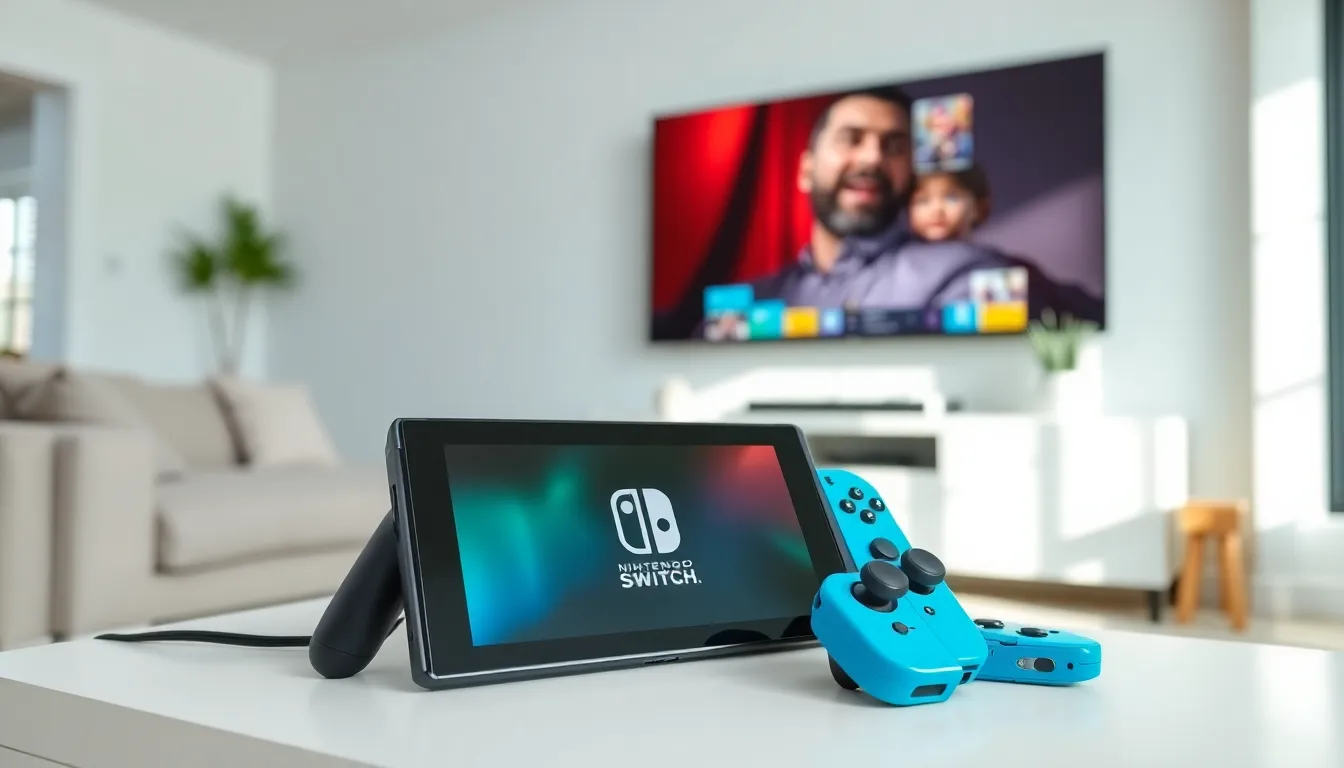
The system includes a main tablet unit with a 6.2-inch touchscreen. Players can slide this tablet into the Nintendo Switch dock, which connects to a TV via HDMI. The dock charges the console and outputs video up to 1080p resolution.
Two detachable controllers called Joy-Cons attach to the sides of the tablet. These controllers contain motion sensors, an accelerometer, and an IR camera. Players can use them attached to the console, held separately in each hand, or connected to a grip accessory for a traditional controller feel.
The Nintendo Switch offers three play modes:
- TV Mode: The console sits in its dock and displays games on a television
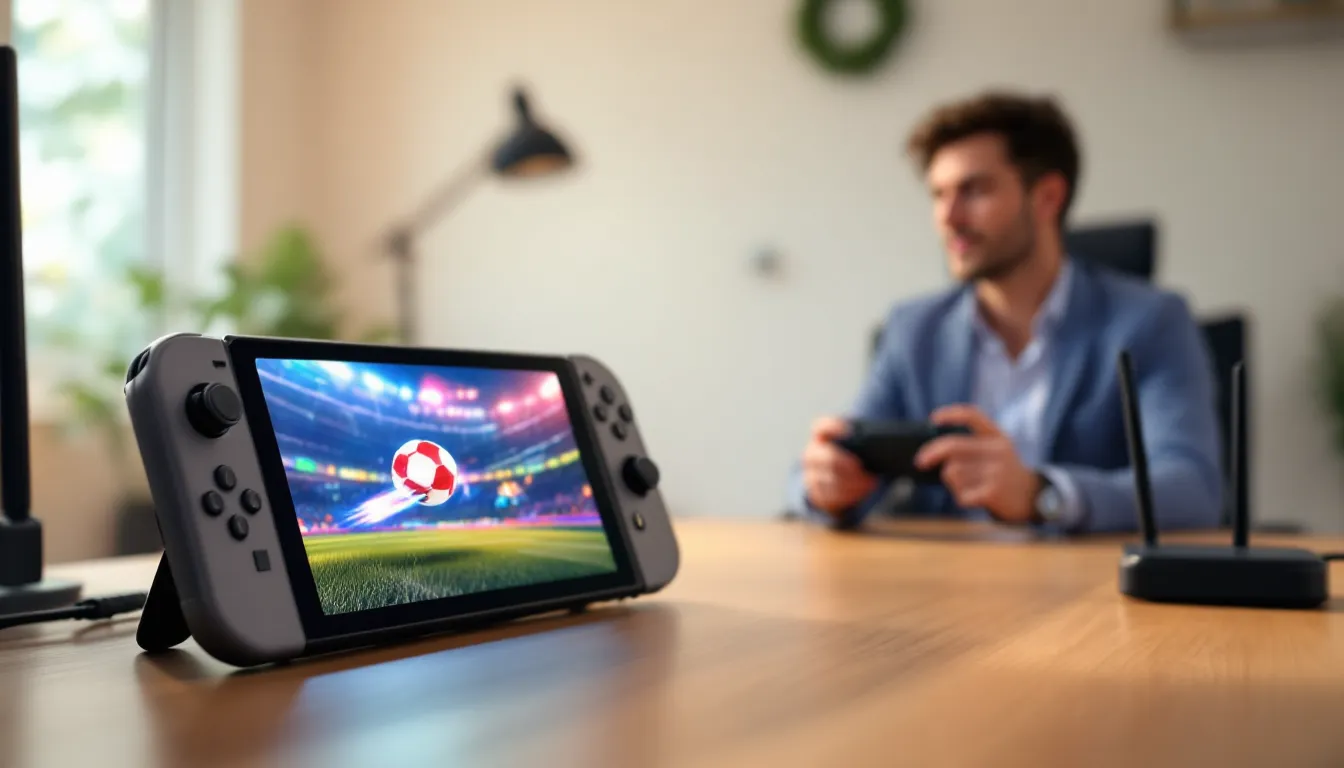
- Tabletop Mode: The tablet stands on its built-in kickstand while players use detached Joy-Cons
- Handheld Mode: Joy-Cons attach to the tablet for portable gaming
Switching between modes takes seconds. A player can pause a game on the TV, slide the console out of the dock, and continue playing immediately. This seamless transition defines the Nintendo Switch experience.
Nintendo Switch Models and Their Differences
Nintendo currently offers three versions of the Switch. Each targets different types of players.
Nintendo Switch (Standard Model)
The original Nintendo Switch costs around $299 and offers all three play modes. The 2019 revision improved battery life to 4.5–9 hours depending on the game. It includes the dock, two Joy-Cons, and all necessary cables.
Nintendo Switch Lite
The Nintendo Switch Lite launched in 2019 at $199. This version works only in handheld mode, it cannot connect to a TV. The Joy-Cons are built into the device and don’t detach. It weighs less, has a smaller 5.5-inch screen, and offers 3–7 hours of battery life. Players who game primarily on the go often prefer this model.
Nintendo Switch OLED Model
The premium Nintendo Switch OLED arrived in 2021 at $349. It features a vibrant 7-inch OLED screen with better color and contrast. The kickstand spans the full width of the console, providing better stability. It also includes 64GB of internal storage (double the standard model) and improved audio speakers. The OLED model supports all three play modes.
| Feature | Switch Lite | Standard Switch | Switch OLED |
|---|---|---|---|
| Price | $199 | $299 | $349 |
| Screen | 5.5″ LCD | 6.2″ LCD | 7″ OLED |
| TV Mode | No | Yes | Yes |
| Storage | 32GB | 32GB | 64GB |
Key Features and Capabilities
The Nintendo Switch includes several features that enhance gameplay and convenience.
Local and Online Multiplayer
Up to eight Nintendo Switch consoles can connect wirelessly for local multiplayer. Nintendo Switch Online, a paid subscription service, enables online play, cloud saves, and access to classic NES and SNES games. The service costs $19.99 per year for individuals.
Expandable Storage
All Switch models accept microSD cards. Since many games require significant storage, players commonly add 256GB or 512GB cards to their systems.
Parental Controls
A dedicated smartphone app lets parents set play time limits, restrict games by age rating, and monitor gaming activity. This makes the Nintendo Switch family-friendly.
Controller Options
Beyond Joy-Cons, the Nintendo Switch supports the Pro Controller ($69.99) for extended gaming sessions. Many third-party controllers also work with the system.
Portability
The console weighs just 0.88 pounds in handheld mode. Combined with decent battery life and sleep mode functionality, the Nintendo Switch travels well. Players can suspend games instantly and resume later without losing progress.
Popular Games and the Nintendo Library
The Nintendo Switch game library includes thousands of titles spanning every genre.
First-Party Exclusives
Nintendo’s own games drive many purchases. The Legend of Zelda: Breath of the Wild and its sequel Tears of the Kingdom redefined open-world adventure games. Super Mario Odyssey delivers a creative 3D platforming experience. Mario Kart 8 Deluxe remains the best-selling Switch game with over 60 million copies sold.
Other standout exclusives include Animal Crossing: New Horizons, Super Smash Bros. Ultimate, Splatoon 3, and Pokémon Scarlet and Violet.
Third-Party Support
Major publishers release games on the Nintendo Switch regularly. Players can enjoy Minecraft, The Witcher 3, Stardew Valley, Hades, and many indie favorites. While the Switch can’t match PlayStation or Xbox in raw power, developers continue optimizing games for the platform.
Nintendo eShop
The digital storefront offers over 5,000 games for purchase and download. Sales occur frequently, making it easy to build a library affordably. The Nintendo Switch also plays games from physical cartridges.
Who Should Buy a Nintendo Switch
The Nintendo Switch suits specific types of gamers better than others.
Ideal For:
- Families: The Switch excels at local multiplayer games the whole family enjoys together
- Commuters and Travelers: Portable mode makes long trips entertaining
- Nintendo Fans: Exclusive franchises like Mario, Zelda, and Pokémon only appear on Nintendo hardware
- Casual Gamers: The accessible game library and simple controls welcome newcomers
- Couch Co-op Enthusiasts: More games support local multiplayer than on competing platforms
Less Ideal For:
- Graphics-Focused Gamers: The Nintendo Switch hardware lags behind PlayStation 5 and Xbox Series X
- Competitive Online Players: While online works, the experience isn’t as refined as other platforms
- Those Wanting AAA Third-Party Games: Many major releases skip the Switch due to hardware limitations
Budget matters too. The Switch Lite works great for solo portable play. The OLED model offers the best handheld experience. The standard Nintendo Switch balances price and features for most players.