The Nintendo Switch has sold over 146 million units worldwide since its 2017 launch. This hybrid console lets players game at home on a TV or take their adventures on the go. Whether someone is a longtime Nintendo fan or a newcomer to gaming, the Switch offers something for everyone. This guide covers the key features, game library, model differences, and practical tips to help players get the most from their Nintendo Switch experience.
Table of Contents
ToggleKey Takeaways
- The Nintendo Switch has sold over 146 million units thanks to its unique hybrid design that lets you play on TV or on the go.
- Three Switch models are available: the versatile Standard ($299), handheld-only Lite ($199), and premium OLED ($349) with a vibrant 7-inch screen.
- Must-play Nintendo Switch exclusives include Zelda: Tears of the Kingdom, Mario Kart 8 Deluxe, and Super Smash Bros. Ultimate.
- Expand your storage with a microSD card (up to 2TB) since the console’s 32GB internal memory fills up quickly with digital games.
- Protect your investment with a tempered glass screen protector and carrying case to prevent scratches during travel.
- Nintendo Switch Online ($19.99/year) provides online multiplayer, cloud saves, and access to classic NES and SNES games.
Key Features and Hardware Specifications
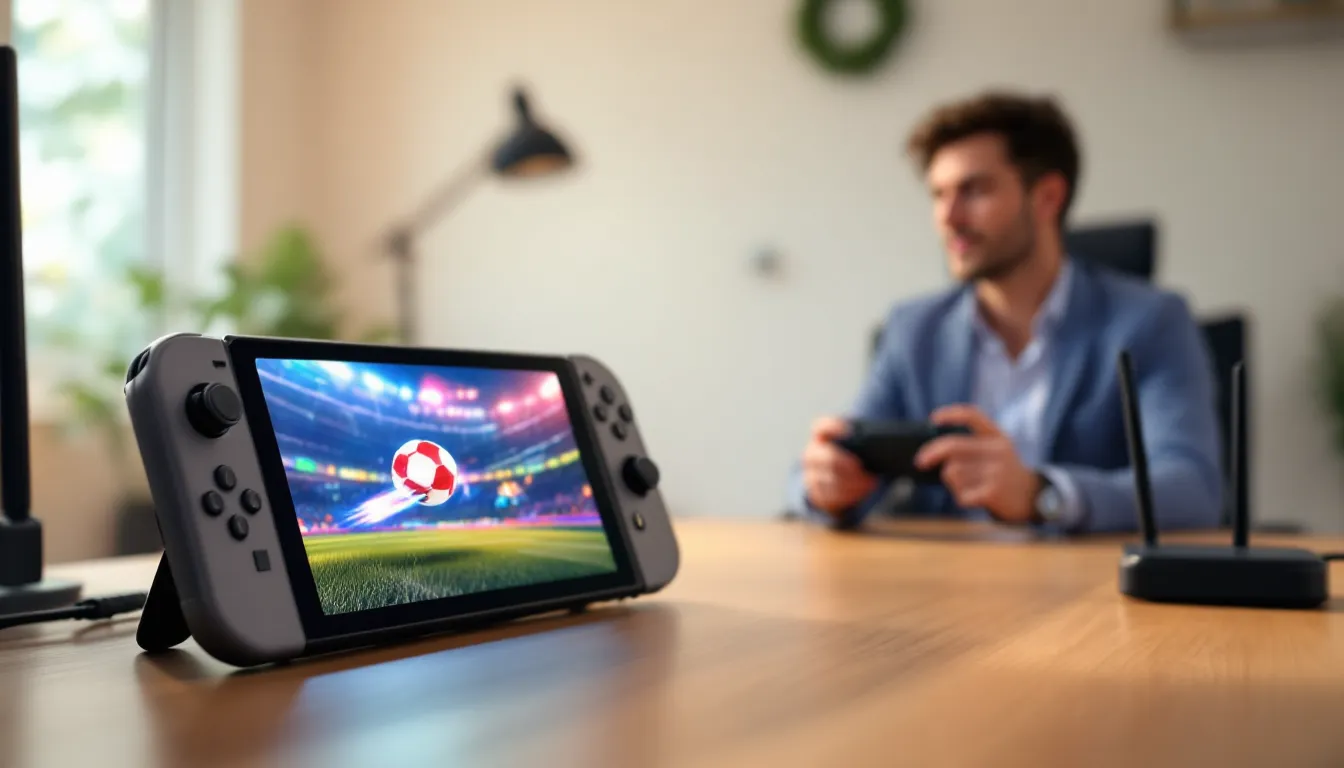
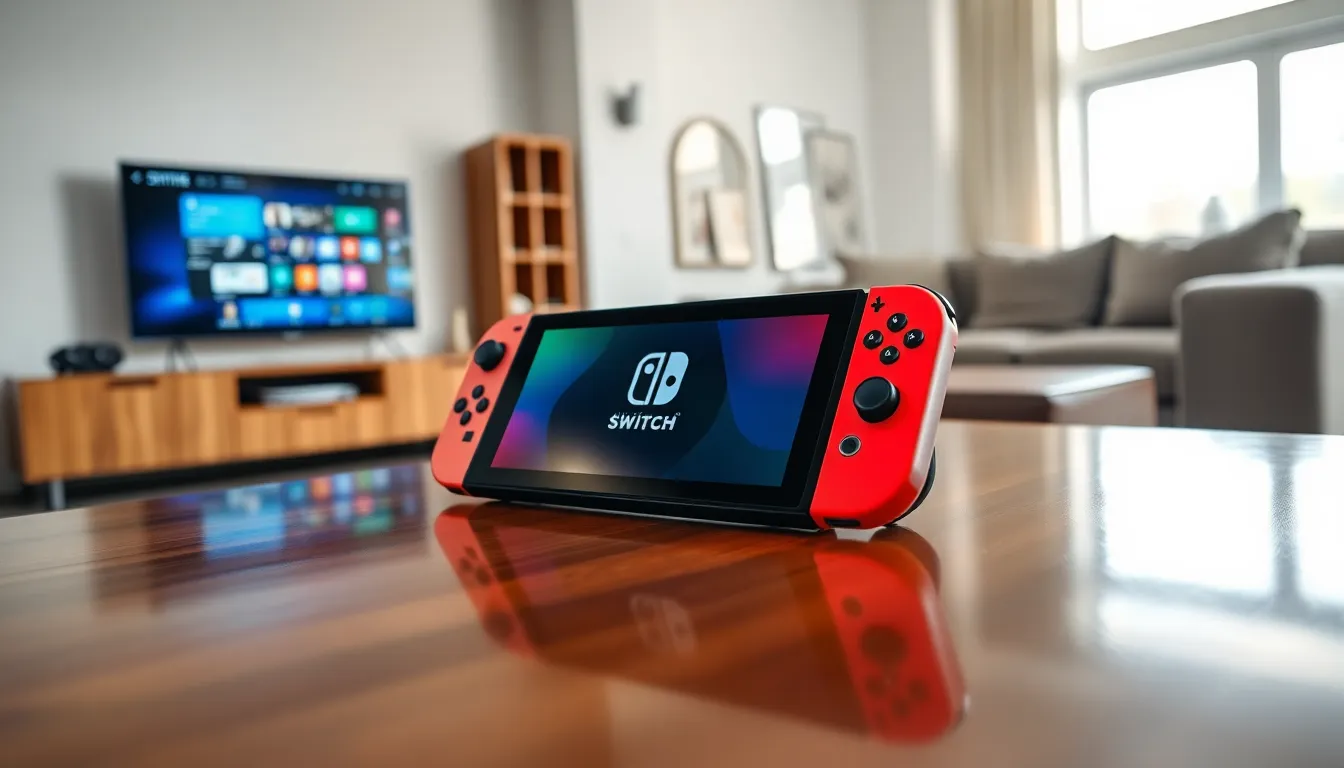
The Nintendo Switch stands out because of its hybrid design. Players can dock the console to play on a TV or remove it from the dock for handheld gaming. This flexibility makes the Switch unique in the gaming market.
Display and Performance
The standard Nintendo Switch features a 6.2-inch LCD touchscreen with 720p resolution in handheld mode. When docked, the console outputs at 1080p to a TV. The system runs on a custom NVIDIA Tegra processor, which delivers solid performance for most games.
Battery life varies by game. Demanding titles like The Legend of Zelda: Breath of the Wild drain the battery faster, while lighter games extend playtime. The updated Switch model (released in 2019) improved battery life to approximately 4.5 to 9 hours.
Controllers and Play Modes
The Joy-Con controllers attach to the sides of the Nintendo Switch for handheld play. Players can also detach them and use them separately for motion controls or multiplayer gaming. Each Joy-Con has HD rumble, gyroscope sensors, and an IR motion camera.
Three play modes exist:
- TV Mode: Dock the Switch and play on a big screen
- Tabletop Mode: Prop up the console and use detached Joy-Cons
- Handheld Mode: Attach Joy-Cons and play anywhere
Storage and Connectivity
The Nintendo Switch includes 32GB of internal storage. That fills up quickly with digital downloads. Fortunately, the console supports microSD cards up to 2TB for expanded storage. The system connects to Wi-Fi for online play and supports Bluetooth for audio devices after a firmware update.
Game Library and Exclusive Titles
The Nintendo Switch boasts one of the strongest game libraries in modern gaming. First-party exclusives drive much of its appeal, but third-party support has grown significantly.
Must-Play Exclusives
Nintendo’s first-party games consistently receive critical acclaim. Some standout titles include:
- The Legend of Zelda: Tears of the Kingdom – A massive open-world adventure that sold over 20 million copies in its first year
- Super Mario Odyssey – A creative 3D platformer with inventive gameplay mechanics
- Mario Kart 8 Deluxe – The best-selling Switch game with over 64 million copies sold
- Animal Crossing: New Horizons – A relaxing life simulation that became a cultural phenomenon
- Super Smash Bros. Ultimate – A fighting game featuring over 80 playable characters
These exclusives give the Nintendo Switch a distinct identity. Players can’t experience these games anywhere else.
Third-Party and Indie Games
The Switch has become a popular platform for indie developers. Games like Hollow Knight, Celeste, and Hades found massive audiences on the console. The portability of the Nintendo Switch makes it ideal for indie titles that work well in short play sessions.
Major third-party games also appear on the system. The Witcher 3, Doom Eternal, and Skyrim all run on the Switch, though sometimes with visual compromises. The trade-off is portability, playing these games anywhere often outweighs graphical differences.
Nintendo Switch Online
Nintendo’s subscription service costs $19.99 per year for the basic tier. Members get access to online multiplayer, cloud saves, and a library of classic NES and SNES games. The Expansion Pack tier adds Nintendo 64, Game Boy, and Sega Genesis titles for $49.99 annually.
Comparing Switch Models: Standard, Lite, and OLED
Nintendo offers three versions of the Switch. Each model serves different player needs and budgets.
Nintendo Switch (Standard)
The original Nintendo Switch remains the most versatile option. It supports all three play modes and works with every Switch game. The current version sells for $299 and includes improved battery life over the launch model.
This model suits players who want flexibility. They can game on the TV at home and switch to handheld mode for travel.
Nintendo Switch Lite
The Switch Lite launched in 2019 at $199. It’s a handheld-only device, no TV output or detachable controllers. The smaller 5.5-inch screen makes it more portable than the standard model.
Some games don’t work properly on the Switch Lite. Titles that require motion controls or TV mode may have limited functionality. But, most of the library plays fine. Budget-conscious gamers who primarily play handheld should consider this option.
Nintendo Switch OLED Model
Released in 2021, the OLED model costs $349. Its standout feature is a vibrant 7-inch OLED screen with deeper blacks and more vivid colors. The console also includes 64GB of internal storage, improved audio, and an enhanced kickstand.
The OLED Nintendo Switch doesn’t boost processing power, games perform identically to the standard model. But the screen upgrade makes handheld gaming significantly more enjoyable. Players who spend most of their time in handheld mode will appreciate the difference.
Tips for Getting the Most Out of Your Switch
A few smart practices help players maximize their Nintendo Switch experience.
Protect Your Investment
The Switch’s screen can scratch if tossed in a bag without protection. A tempered glass screen protector costs under $10 and prevents damage. A carrying case keeps the console safe during travel.
Manage Storage Wisely
Digital games fill up storage fast. A 256GB or 512GB microSD card provides plenty of room for most libraries. Players can also archive games they’ve finished to free up space without losing save data.
Extend Battery Life
Lowering screen brightness helps the Nintendo Switch last longer between charges. Airplane mode disables Wi-Fi and extends battery life further when online features aren’t needed. A portable power bank lets players charge on the go during long trips.
Explore the eShop Sales
Nintendo’s digital storefront runs frequent sales. First-party games rarely get deep discounts, but third-party and indie titles often drop to bargain prices. Websites like Deku Deals track price history and send alerts when games hit their lowest prices.
Try Different Controllers
The Joy-Cons work well, but some players prefer alternatives. The Nintendo Switch Pro Controller offers a traditional gamepad feel with excellent ergonomics. Third-party options from companies like 8BitDo provide quality at lower price points.