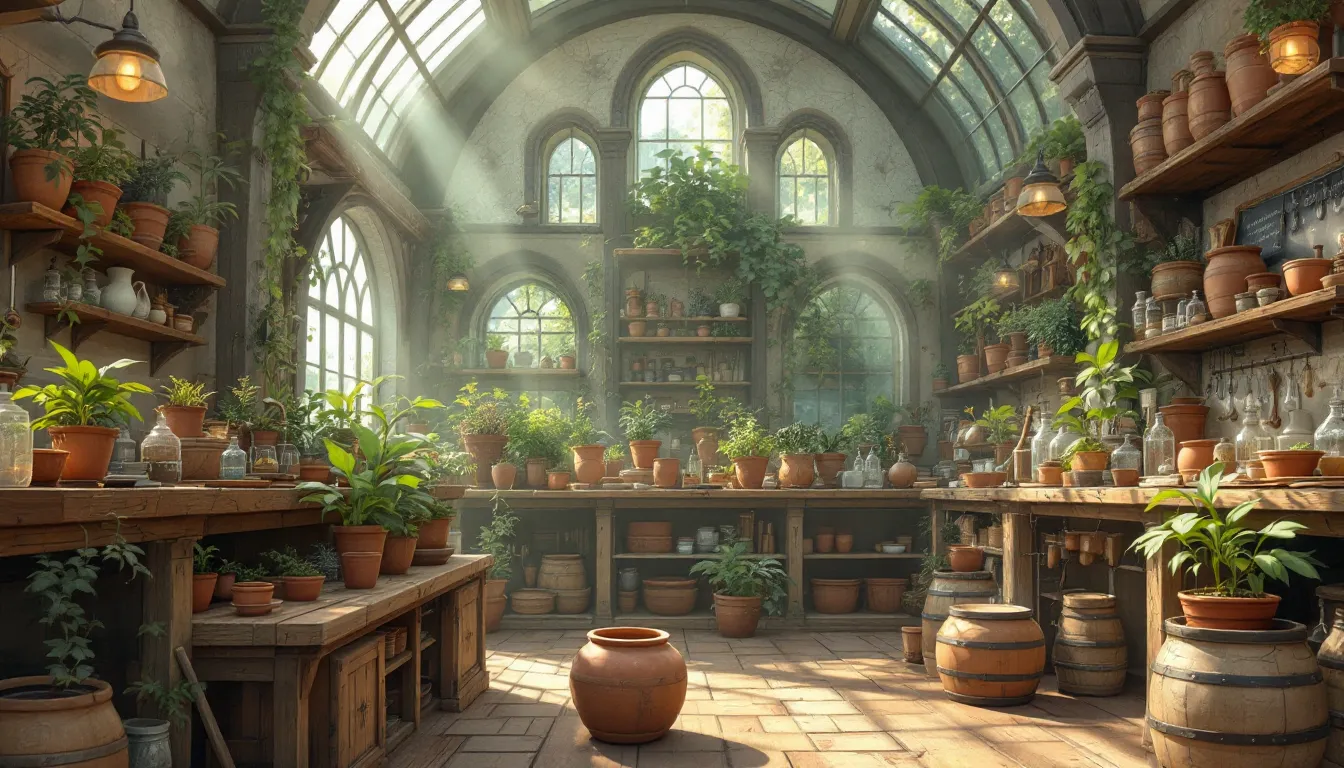
Dogweed and Deathcap is one of Hogwarts Legacy’s most valuable potion ingredients, and mastering its cultivation can transform your entire alchemy game. Whether you’re looking to craft powerful potions for combat, trade for gold, or simply complete your herbology collection, knowing how to grow and harvest this ingredient efficiently separates casual players from seasoned witches and wizards. This guide breaks down everything you need to know about dogweed and deathcap in Hogwarts Legacy, from unlocking access to the greenhouse to maximizing your yields and understanding why this particular ingredient matters more than most.
Table of Contents
ToggleKey Takeaways
- Dogweed and Deathcap is a cornerstone potion ingredient in Hogwarts Legacy that unlocks access to high-tier brews like Thunderbrewing Elixir and Baruffio’s Brain Elixir, providing critical combat advantages in duels and battles.
- You must progress Sebastian Sallow’s questline and attend Herbology classes to gain greenhouse access and cultivation knowledge—these are gated requirements that determine when you can begin farming.
- Establish a rotating harvest schedule by maintaining 3–4 planted pots simultaneously, as dogweed and deathcap takes approximately 10 in-game minutes to mature from seedling, ensuring consistent ingredient supply without excessive waiting.
- Transfer excess dogweed and deathcap to storage chests rather than carrying everything in inventory to prevent bloat and preserve space for combat gear and exploration materials.
- Avoid common mistakes like inconsistent harvesting, neglecting Herbology classes, and overcommitting greenhouse space to ingredients you don’t actually use—consistency and focused planning maximize both combat effectiveness and gold income.
- Dogweed and Deathcap farming generates significant passive gold income when you sell excess supplies to merchants, making it one of the most efficient wealth-building mechanics throughout your Hogwarts Legacy playthrough.
What Is Dogweed And Deathcap In Hogwarts Legacy?
Role In The Game
Dogweed and Deathcap serves as a cornerstone ingredient in potion-making within Hogwarts Legacy. This plant isn’t just another collectible, it unlocks access to some of the game’s most impactful brews. When you’re crafting potions, this ingredient shows up repeatedly in high-tier recipes that provide meaningful combat advantages. The game’s potion system directly ties to your effectiveness in duels and battles, which means dogweed and deathcap becomes far more than a side collectible.
The ingredient appears in recipes ranging from Baruffio’s Brain Elixir (which boosts spell knowledge) to Thunderbrewing Elixir, both of which offer tangible benefits during challenging encounters. Players who neglect potion-making often find themselves at a disadvantage when facing tougher enemies or competitive challenges. Understanding where dogweed and deathcap fits into this ecosystem helps you prioritize your farming efforts early.
Rarity And Availability
Unlike some potion ingredients scattered throughout the Hogwarts grounds, dogweed and deathcap requires active cultivation rather than simple collection. You won’t find stray plants lying around in random locations, instead, you’ll need greenhouse access and the ability to plant seeds intentionally. This design choice means early-game players might struggle to access the ingredient until they unlock the necessary facilities.
The ingredient exists in regular and higher-rarity variants within the game’s item system. Once you’ve unlocked the greenhouse, dogweed and deathcap becomes farmable on demand, which dramatically shifts its availability from scarce to abundant. This accessibility is why understanding the planting and harvesting cycle matters so much, poor resource management can leave you waiting unnecessarily for crops to mature.
How To Unlock The Greenhouse And Herbology
Prerequisites For Greenhouse Access
You can’t farm dogweed and deathcap without greenhouse access, and reaching that facility requires progressing through specific story beats. The main questline gates your entry behind Sebastian Sallow’s relationship progression. You’ll need to advance Sebastian’s storyline to a specific point where he grants you access to the Greenhouse, there’s no way around this particular requirement.
The greenhouse itself sits in the north wing of Hogwarts grounds, but you won’t be able to enter until the story has progressed far enough. Most players gain access during their second or third year within the game’s narrative structure. Speeding through the main questline with Sebastian isn’t strictly necessary, but understanding that his questline directly controls your farming timeline helps with long-term planning.
Once you gain initial greenhouse access, subsequent entries become straightforward. The facility remains open for farming throughout the remainder of your playthrough, so unlocking it once means consistent access for the rest of your wizarding career.
Herbology Class Requirements
Attending Herbology classes represents a different but equally important unlock path. These classes teach you about various plants, including dogweed and deathcap, and unlock your ability to actually cultivate them. You need to complete Herbology classes throughout the game to gain the knowledge required for successful farming.
These aren’t optional side activities, they’re integral to the farming system’s progression. Each Herbology class you attend teaches you new cultivation techniques and plant characteristics. Missing these classes means you won’t have access to certain planting options or growing strategies. Players focused entirely on combat might overlook these classes, which leads to unnecessary delays in establishing their farming operations.
Growing Dogweed And Deathcap: Step-By-Step
Obtaining Seeds Or Seedlings
You’ll start your dogweed and deathcap farming journey by acquiring seeds or seedlings rather than mature plants. These sources include completing Herbology classes, where professors often reward completion with plant materials. You can also purchase seeds from the Herbology classroom supply stations or find them during exploration.
Seedlings represent a faster-growing option compared to seeds. If you find seedlings in your inventory or purchase them from vendors, they’ll reach maturity more quickly than starting from seed. The financial investment differs between the two options, seedlings cost more upfront but save you time, while seeds require patience but cost less gold. Strategic players balance both approaches depending on their current needs and gold reserves.
Early-game players might struggle to find seedlings readily available for purchase. This is where attending Herbology classes becomes critical, the reward materials from these classes often include plant starts that let you begin farming without significant gold expenditure.
Planting In The Greenhouse
Once you’ve obtained your seeds or seedlings, head to the greenhouse and navigate to an empty planting pot. The greenhouse contains multiple pots arranged for convenient farming. Select your dogweed and deathcap seed or seedling and confirm planting. The interface clearly displays which pot is available and what you’re about to plant, so you won’t accidentally waste materials.
The greenhouse design accommodates simultaneous growth of multiple plant varieties, letting you diversify your crops. But, each pot only holds one type of plant at a time, so don’t expect to cross-breed or combine multiple ingredients in a single location. You can plant multiple dogweed and deathcap batches in different pots simultaneously, creating a rotating harvest schedule.
After planting, the interface updates to show your seedling growing. Some players miss the subtle visual progression, checking back periodically helps you understand the growth timeline without constantly monitoring timers.
Growth Time And Yield
Dogweed and Deathcap takes approximately 10 in-game minutes to grow from seedling stage to harvest-ready maturity. Real-world time varies depending on your playstyle, if you’re actively questing and exploring, this happens in the background while you play normally. Sitting idle in the greenhouse watching plants grow is unnecessary and wastes gaming time.
The yield depends on your seedling quality and growth conditions. A standard seedling produces one harvest worth of ingredients, while higher-rarity variants might yield bonus materials. The greenhouse doesn’t feature any growth modifiers or stat boosts to improve yields, so what you plant is essentially what you’ll harvest, planning ahead with better-quality seedlings matters more than trying to optimize growth conditions.
Multiple planted pots create a staggered harvest schedule, meaning you can harvest one batch while another continues growing. This rotating approach ensures consistent ingredient supply without extensive waiting periods. Players serious about potion-crafting should maintain at least 3-4 pots on rotation to ensure steady dogweed and deathcap availability.
Harvesting And Storage Best Practices
Optimal Harvesting Techniques
When your dogweed and deathcap reaches maturity, the plant visibly changes in the pot. A small icon appears on the plant indicating readiness for harvest. Simply interact with the mature plant and select harvest, the interface confirms your action, and the ingredient transfers to your inventory immediately. There’s no complicated timing requirement or special conditions to trigger optimal harvests.
Harvesting immediately upon maturity ensures you don’t waste growth cycles. Leaving plants mature without harvesting prevents new seeds from being planted in those pots, which creates inefficiency in your farming rotation. Set a mental reminder to check back within a few in-game minutes after planting to maintain steady operations.
Some players worry about over-harvesting or depleting stocks, but the greenhouse removes that concern entirely. The ingredient is infinitely farmable as long as you maintain your planting schedule. There’s no game-wide scarcity that would punish aggressive harvesting.
Storage And Inventory Management
Dogweed and Deathcap stacks in your inventory like most potion ingredients. The game supports carrying substantial quantities, but your total inventory has a weight limit that constrains how much you can carry simultaneously. Early-game players might hit this limit quickly if they’re also carrying spell books, gear, and other materials alongside their farming haul.
Organize your inventory intentionally by storing excess dogweed and deathcap in your house locker or via storage chests scattered throughout Hogwarts. These containers have separate inventory limits from your character, effectively creating unlimited storage space. Keep a working supply in your character inventory for immediate potion-crafting needs while storing excess in secure locations.
The most efficient approach involves maintaining a minimum supply in your inventory (around 20-30 units) for regular potion crafting while funneling overflow into storage. This prevents inventory bloat while ensuring you never run short during important battles. Track your storage locations mentally or jot them down, forgetting where you stashed valuable ingredients creates frustration when you need them later.
Practical Uses For Dogweed And Deathcap
Potion-Making Recipes
Dogweed and Deathcap features prominently in several high-tier potions. Thunderbrewing Elixir represents one of the most useful recipes, requiring dogweed and deathcap as a core ingredient alongside other components. This potion grants lightning resistance and electrical damage boosts, invaluable during encounters with enemies who use electrical spellwork.
Baruffio’s Brain Elixir combines dogweed and deathcap with other rare ingredients to boost your spell knowledge temporarily. This potion significantly enhances your damage output for challenging battles, making it worth prioritizing in your crafting queue. The duration lasts several in-game minutes, plenty of time to engage in extended combat scenarios.
Felix Felicis represents the most exclusive recipe using this ingredient, though obtaining the recipe and required components takes significant progression. Understanding these high-value recipes helps prioritize which potions you should focus on crafting from your cultivated supplies.
Combat And Spell Enhancement
The potions crafted from dogweed and deathcap directly translate to combat advantages. Players using Thunderbrewing Elixir gain defensive benefits against powerful electrical spells while simultaneously increasing their own lightning damage output. This dual benefit means you’re not just surviving harder encounters, you’re actively outperforming them.
During difficult duel scenarios or boss encounters, having a reserve of potions crafted from your dogweed and deathcap supplies provides crucial advantages. Pre-crafting these potions before tackling challenging content ensures you enter combat prepared rather than scrambling to brew mid-battle. The preparation phase separates experienced players from those who wing it.
Trading And Selling Value
While potions themselves provide combat benefits, selling excess dogweed and deathcap grants significant gold income. The ingredient commands respectable prices from merchants throughout Hogwarts. Establishing a sustainable farming operation lets you generate consistent gold without engaging in time-consuming side activities.
This is particularly useful for purchasing rare ingredients that don’t farm as efficiently or obtaining cosmetic items from vendors. The financial pressure of maintaining your equipment and purchasing spell books becomes manageable when you’ve got a steady dogweed and deathcap supply flowing into your sales pipeline. Some players treat farming as their primary gold-generation method, the efficiency speaks for itself.
Pro Tips For Maximizing Efficiency
Farming Routes And Locations
The greenhouse remains your primary farming location, but understanding which pots to prioritize helps maximize your output. Plant multiple dogweed and deathcap batches in separate pots and establish a harvesting route that checks all pots sequentially. This systematic approach prevents missing mature plants and ensures consistent ingredient availability.
Timing your farming sessions around potion-crafting needs prevents inventory bloat while maintaining adequate supplies. If you’re planning a major crafting session with multiple recipes requiring dogweed and deathcap, harvest 2-3 days in advance to ensure you have sufficient materials. This buffering prevents interruptions to your crafting schedule when you miscalculate requirements.
Several locations throughout Hogwarts have wild-growing potion ingredients, though dogweed and deathcap specifically requires cultivation. Exploring thoroughly might reveal other valuable plants you can add to your farming rotation, creating a diversified agricultural operation. Hogwarts Legacy Tools: A Complete Guide to In-Game Utilities covers resource management systems that enhance farming efficiency beyond basic plant cultivation.
Cross-Platform Optimization
Whether you’re playing on PlayStation 5, Xbox Series X/S, or PC, the greenhouse functionality remains identical across platforms. But, loading times and performance differ between systems, which affects how quickly you can manage your farming operations. PC players with high-end systems can rapidly cycle through multiple greenhouse visits, while console players might experience slightly longer load times between visits.
Consider batching your farming activities to minimize screen transitions. Instead of checking one plant, harvesting, leaving, and returning multiple times, attempt to manage all your greenhouse work in a single session. This approach proves more efficient on console platforms where each area transition carries a loading screen cost.
Regardless of platform, the fundamental farming strategy remains unchanged, establish rotation schedules, plant consistently, and harvest promptly. Platform optimization matters far less than maintaining steady farming discipline. Top Hogwarts Legacy Tips, Tricks, and Secrets includes additional efficiency strategies that apply across all platforms.
Common Mistakes To Avoid
New farmers make several predictable mistakes that hamper their progress. The most common error involves harvesting inconsistently, then wondering why they’re constantly short on ingredients. Skipping even a few harvest cycles breaks your momentum and creates supply gaps. Commit to a regular harvesting schedule from the start, consistency beats occasional intensive farming sessions.
Another frequent mistake involves neglecting Herbology classes early in the game. Players focused entirely on combat progression often skip these classes, then find themselves unable to effectively farm until much later. Attending Herbology when it becomes available prevents this bottleneck and gives you earlier access to farming operations.
Overcommitting your greenhouse space to ingredients you don’t actually need wastes valuable farming real estate. Some players plant a diverse crop only to discover they never actually use most of the ingredients. Focus your farming on ingredients that feature prominently in recipes you genuinely craft or sell regularly. This focused approach maximizes your gold output and ensures every harvest serves a purpose.
Miscalculating storage capacity and letting your inventory overflow creates unnecessary clutter. Establish a storage routine where you immediately transfer excess ingredients to dedicated storage chests. This prevents inventory bloat that interferes with combat and exploration while keeping your farming operation clean and organized.
Some players forget about their planted crops entirely, wandering around Hogwarts doing other activities while missing harvest windows. While the game doesn’t punish delayed harvesting like some farming simulators, the wasted growth cycles still represent lost opportunities. Set yourself reminders or establish a weekly greenhouse check-in routine that becomes habitual.
Conclusion
Dogweed and Deathcap farming transforms from an optional side activity into a core component of successful Hogwarts Legacy progression once you understand its importance and mechanics. The ingredient unlocks access to some of the game’s most impactful potions, which directly influence your effectiveness in combat encounters. Players who establish farming operations early gain a significant advantage over those who neglect this system entirely.
The steps for success are straightforward, unlock the greenhouse, attend your Herbology classes, plant consistently, harvest promptly, and maintain your supplies. There’s no hidden complexity or advanced techniques required beyond basic discipline and planning. Hogwarts Legacy for Beginners: Essential Tips to Start Your Wizarding Journey provides additional foundational strategies that support your farming operations alongside other early-game priorities.
Whether you’re focused on maximizing combat effectiveness through superior potions, generating gold through ingredient sales, or simply completing your herbology collection, dogweed and deathcap represents an essential ingredient. Establish your farming rhythm early, maintain consistency, and you’ll never find yourself scrambling for this crucial resource again. The investment in learning these systems pays dividends throughout your entire Hogwarts Legacy playthrough, making it one of the most worthwhile mechanics to master.