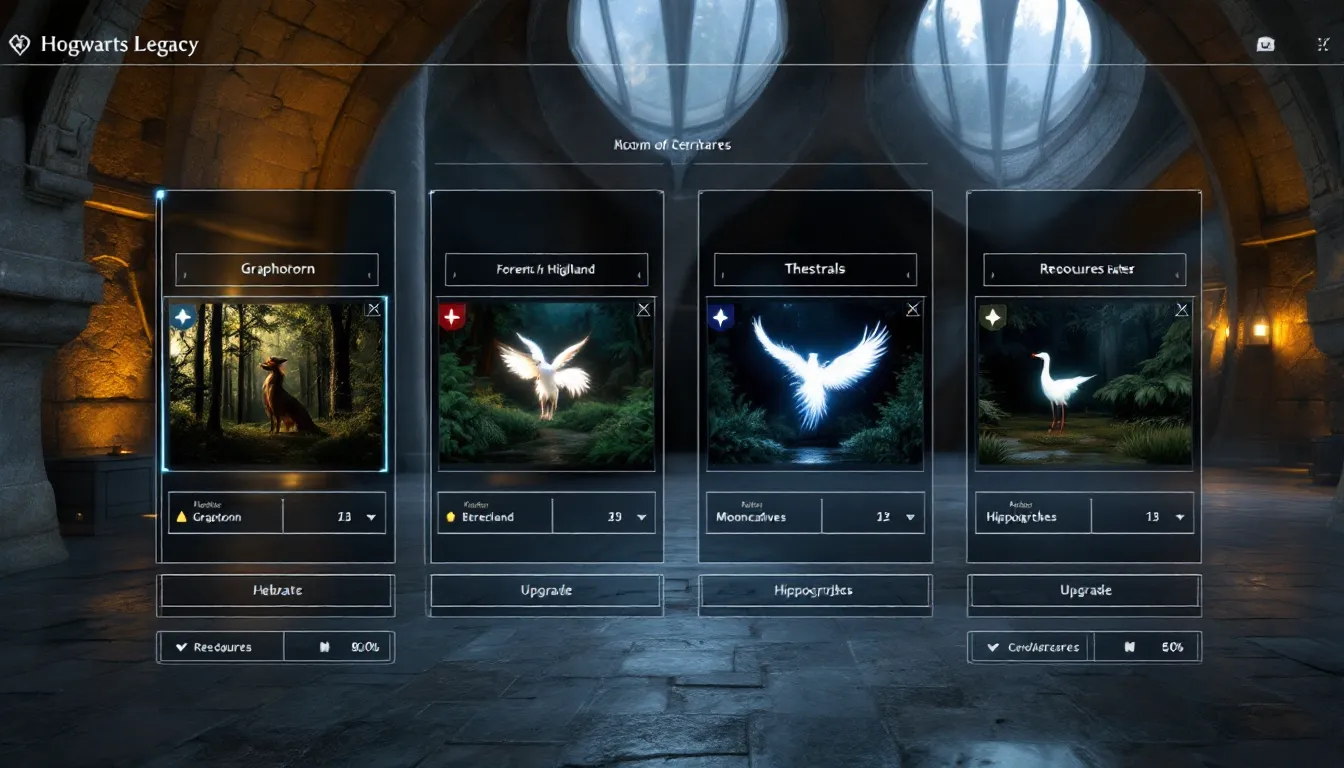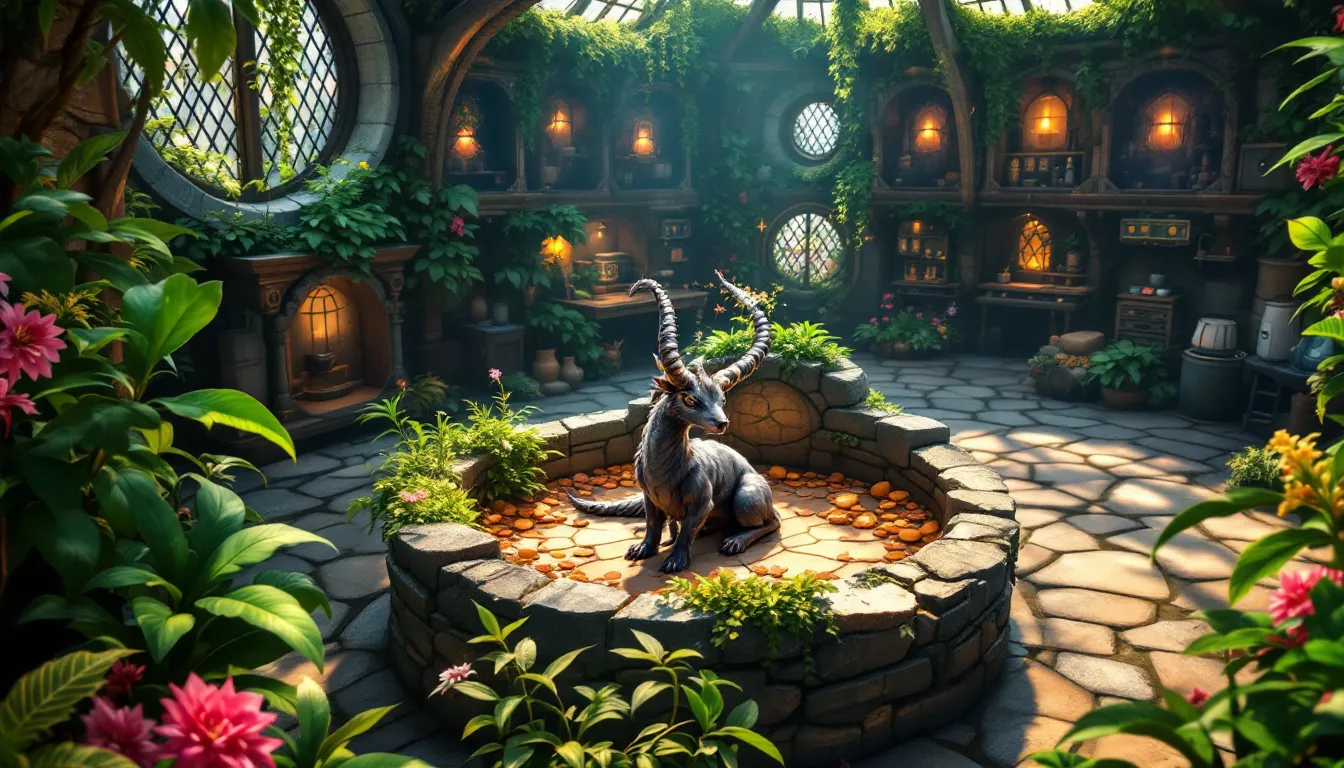
The Hogwarts Legacy breeding pen is one of the game’s most rewarding, and most misunderstood, mechanics. Players unlock this feature expecting a straightforward way to generate rare beasts, only to find themselves staring at confusing timers, missing resources, and offspring that don’t match their expectations. But here’s the thing: mastering the breeding pen transforms your entire gameplay loop. You’ll generate rare materials, unlock cosmetic beasts you can’t find anywhere else, and streamline your magical creature collection without endless grinding. Whether you’re a casual player still figuring out the basics or a veteran optimizing your endgame operation, this guide covers everything you need to breed smarter, not harder.
Table of Contents
ToggleKey Takeaways
- The Hogwarts Legacy breeding pen unlocks during mid-game after completing Sebastian Sallow’s questline and requires two compatible creatures to initiate timed breeding cycles that generate rare materials and exclusive cosmetic variants.
- Start with common creatures like Jobberknolls and Nifflers for quick breeding returns, then advance to rare beasts like Graphorns for premium materials and cosmetics you can’t obtain through standard capture methods.
- Breeding timelines range from 1-3 hours for common creatures to 6-12+ hours for rare ones, so stagger multiple breeding pens simultaneously to minimize idle downtime and maintain a continuous resource pipeline.
- Maintain adequate creature food supplies and claim completed offspring within 24 hours to avoid locking your breeding pen indefinitely and blocking new breeding attempts.
- Treat breeding as a strategic genetic system by maintaining detailed records of creature traits, colorations, and stats to intentionally breed rare variants across multiple generations and concentrate desirable traits in your collection.
- Transform breeding into purposeful progression by aligning it with your broader Vivarium goals—material farming, achievement hunting, or building thematically cohesive collections—rather than treating it as an isolated subsystem.
What Is The Breeding Pen And How Does It Work?
Location And Unlocking The Breeding Pen
The breeding pen sits in the Vivarium, Hogwarts Legacy’s dedicated creature sanctuary. You’ll unlock it as part of Sebastian Sallow’s relationship quests, specifically after completing the Sebastian questline and gaining access to deeper Vivarium features. This happens around mid-game, so don’t expect to breed creatures on day one. The physical breeding pen is a small stone enclosure in the southeast corner of the Vivarium, unmissable once you know where to look.
Accessing it requires you to have completed the initial creature care tutorial and unlocked the main Vivarium hub. Once unlocked, you can breed any two compatible creatures in your collection. The pen itself doesn’t need upgrades to function, but the space around it does expand as you progress, eventually allowing you to manage multiple breeding cycles simultaneously.
Basic Mechanics And Gameplay Functions
At its core, the breeding pen works like a creature factory with built-in timers. You select two compatible creatures, initiate breeding, and wait. The process requires you to have both creatures in your Vivarium, and they must be compatible species, you can’t breed a Thestral with a Bowtruckle, for example.
Breeding timers vary based on the creatures involved. Most common combinations take 2-4 hours of real-world time. Rare beast combinations can take longer, sometimes pushing toward 12+ hours. While breeding progresses, your creatures remain locked in the breeding pen and can’t be used for Vivarium tasks, potion-making ingredient collection, or combat assignments. This is a critical consideration for resource management.
The offspring inherits traits from both parents, including potential special colorations or stat variations. This is where the genetic depth comes in, offspring aren’t just clones of their parents. They carry randomized genetic traits that determine their appearance, size, and occasionally their rarity classification. Understanding these inheritance mechanics separates casual breeders from serious collectors.
Breeding Pen Beasts: Which Creatures Should You Prioritize?
Best Beasts For Beginners
When you first unlock the breeding pen, stick to common creatures that reproduce quickly and provide steady resource returns. Jobberknolls are excellent starters, they breed fast, produce decent materials, and their offspring are useful for potion-making. Nifflers also breed reliably and generate treasure-hunting components if you need shiny items for your collection.
Avoid chasing rare creatures immediately. The game’s breeding pool is weighted, meaning common beasts have much higher compatibility and faster breeding times. Starting with these gives you breathing room to understand timing mechanics without wasting hours waiting for a pairing that might not work.
Hippogriffs are another solid beginner choice. They’re moderately common, breed in reasonable timeframes, and their offspring provide stamina-related materials useful for potion crafting. The key here is volume: breed creatures that multiply quickly so you build momentum early.
Advanced Beast Selection Strategies
Once you’re comfortable with basic breeding, you’ll want to target creatures with specific genetic outcomes. Graphorns are the endgame breeding goal, they’re rare, generate high-value materials, and their offspring carry exclusive cosmetic variants you can’t obtain any other way. But, they’re brutally slow to breed: expect 6-8 hour timelines.
Prioritize breeding towards creatures that sync with your potion-making needs. If you’re heavy into Invisibility Draughts, focus on creatures that generate their key ingredients. If you’re grinding for Strengthening Solutions, breed creatures that yield those components. This isn’t arbitrary, it’s resource optimization.
The meta-breeding approach involves maintaining a “genetic library” of creatures with desirable traits, then crossbreeding strategically. For example, you might breed a cosmetically unique Hippogriff with a high-stat variant of the same species to produce offspring that combine both traits. This requires patience and record-keeping, but the payoff is a collection of truly unique creatures.
Coloration and rarity are secondary considerations for competitive players who focus on Vivarium challenges and creature contests. These encounters reward specific visual traits, so breeding for appearance occasionally pays dividends beyond bragging rights.
Step-By-Step Breeding Guide For Maximum Success
Preparing Your Beasts For Breeding
Before hitting the breed button, ensure both creatures are healthy and well-fed. The game doesn’t explicitly state that creature health affects breeding success, but experienced players swear by it, and the mechanic makes thematic sense. Spend a few minutes feeding both creatures their preferred food items before initiating the breeding sequence.
Check your Vivarium’s creature roster twice. The breeding pen specifically requires that you have both creatures physically stored in the Vivarium, not just in your bestiary. If you’ve borrowed a creature for a task or sent it out for ingredient collection, you’ll need to reassign it first. The UI clearly shows which creatures are available for breeding and which are locked.
Confirm the pairing is compatible before committing. The game shows compatibility status before you finalize, green checkmarks mean you’re good to go, red Xs mean you’ll waste time. Some creatures only breed with specific species, not the broad categories they appear to belong to. A Phoenix doesn’t breed with all bird-type creatures, for example.
The Breeding Process And Expected Timelines
Once you’re at the breeding pen with two compatible creatures, select “Initiate Breeding” from the menu. The game displays the expected completion time, this is accurate and factors in any active Vivarium bonuses you might have.
Timelines break down roughly like this:
- Common creatures (Jobberknoll, Niffler, Puffskein): 1-3 hours
- Uncommon creatures (Hippogriff, Bowtruckle, Phoenix): 3-6 hours
- Rare creatures (Graphorn, Thestral, Acromantula): 6-12+ hours
These numbers aren’t set in stone, some combinations within each tier breed faster or slower. The key takeaway is that rarity directly correlates with breeding duration. You can’t speed up the process artificially: the timer runs regardless of whether you’re logged in or not. This is intentional design, the game respects your time by letting background progression happen.
When breeding completes, you’ll receive a notification. Return to the pen within 24 hours to claim your offspring, or it’ll occupy the pen indefinitely, blocking new breeding attempts. This is an easy gotcha, set phone reminders if you’re breeding rare creatures overnight.
Managing Multiple Breeding Cycles
The Vivarium eventually unlocks multiple breeding pens as you progress through creature-care questlines. With two or three pens operational, you can run breeding operations continuously, one pair finishing while another starts, keeping your resource pipeline flowing.
To optimize this, stagger your breeding timelines deliberately. Start a 2-hour common creature pairing in Pen 1, then immediately start a 6-hour rare pairing in Pen 2. By the time the first finishes, you’ll claim offspring and restart before Pen 2 completes. This minimizes idle downtime.
Maintain a mental (or literal) log of what you’re breeding and when it completes. Experienced players use spreadsheets or note-taking apps to track genetic lineages and breeding outcomes. This sounds obsessive until you’re trying to remember which Thestral bloodline carries the rare silver coloration versus which produces standard black.
Prioritize completing breeding cycles before bed or before work sessions where you won’t be actively playing. Nothing’s worse than walking away for 6 hours, returning to find your creatures bred 20 minutes after you left, and wasting the efficiency window. Plan your breeding around your schedule, not the reverse.
Resource Management: Feed, Potions, And Upgrades
Essential Supplies And Where To Find Them
Breeding heavily taxes your Vivarium’s food supplies. Each breeding pair consumes food during their development cycle, the longer the breeding timeline, the more they eat. This might seem like flavor text, but it directly affects your resource management. You can’t breed creatures indefinitely if you’re perpetually out of feed.
Gather creature food consistently through exploration and vendor purchases. Ingredient suppliers around Hogsmeade stock food in bulk, though quality (and cost) varies. Premium feeds speed up resource generation slightly but don’t affect breeding timelines. The standard feed does the job fine: don’t overspend on cosmetic variants.
Potions become relevant when you’re running advanced breeding chains. Wiggentree Bark and Powdered Moonstone support creature health during breeding, indirectly boosting offspring viability. These aren’t mandatory, but serious breeders keep stocks available. The Hogwarts Legacy Tips: Essential guide covers potion-making depth if you need a refresher on ingredient sourcing.
Collector’s Edition materials and special breeding items can be purchased or earned through Vivarium challenges. These unlock cosmetic breeding outcomes, they don’t change genetics, but they do create visually unique offspring that stand out in your collection.
Optimizing Your Breeding Pen Layout
The physical layout of your breeding pens doesn’t mechanically affect breeding success, but organization matters for your sanity. Position pens near creature storage so you’re not running across the Vivarium repeatedly. Cluster them with feed dispensers and care stations for efficiency.
Upgrading Vivarium structures provides passive benefits. Enhanced pens generate bonus materials from offspring, and optimized care stations reduce food consumption rates slightly. These aren’t game-changers, but they compound over hundreds of breeding cycles. Prioritize pen upgrades if you’re committing to long breeding chains.
The Vivarium’s expansion system eventually provides specialized breeding chambers with specific bonuses. A chamber dedicated to rare beasts provides higher-rarity offspring rates. A chamber for common creatures boosts their breeding speed. You’ll unlock these through progression, but plan your layout anticipating these future additions.
Resource consolidation saves time. Keep your most-used creatures close to the breeding pen. Stack similar items nearby. This sounds trivial until you’re managing 15+ simultaneous creatures and wasting five minutes every cycle looking for specific supplies.
Rewards And Benefits Of Regular Breeding
Materials, Items, And Rare Drops From Offspring
Breeding creatures generates materials you’d otherwise grind for hours to collect. Offspring produce ingredient drops like Moonstone, Wiggentree Bark, Dragon Claw, and creature-specific components. The rarity of these drops correlates with the rarity of the offspring, breed Graphorns, get premium materials consistently.
Beyond raw materials, offspring occasionally carry exclusive cosmetic variants. Breeding a Thestral with specific genetic conditions might produce a silver-coated variant you can’t obtain through standard captures. These cosmetics don’t affect gameplay but matter enormously to collectors and players working toward 100% completion.
Some breeding outcomes unlock achievement conditions. Breeding all creature species variants is a hidden challenge requirement in the Vivarium. Players grinding for these achievements find breeding indispensable, it’s the only reliable way to generate specific genetic combinations on demand. Consult Top Hogwarts Legacy Tips, Tricks, and Secrets for achievement tracking if you’re pursuing completion metrics.
Random loot drops from offspring include rare components, cosmetic creature bridles, and occasionally unique items unavailable through other means. These drops aren’t guaranteed, but they occur frequently enough that breeding remains rewarding beyond the immediate material benefits.
How Breeding Enhances Your Overall Gameplay
A robust breeding operation reduces your dependency on creature capture grinding. Instead of spending hours hunting rare beasts in specific locations, you breed them. This is especially relevant for creatures with low spawn rates or difficult capture mechanics.
Breeding also feeds into the broader Vivarium economy. Creatures with high material generation rates become self-sustaining through breeding, they generate resources faster than they consume them. This creates a resource surplus you redirect toward other activities, like potion-making or combat tasks.
The breeding pen essentially provides passive income. Once running, it generates rewards without active engagement. You log in, claim offspring, restart breeding, and continue with other activities. This passive dimension makes breeding feel less grindy than traditional farming loops.
Common Breeding Mistakes And How To Avoid Them
Timing Issues And Failed Breeding Attempts
The biggest mistake casual players make is initiating breeding without confirming compatibility. The game offers clear compatibility indicators, but rushing leads to false starts. You hit breed, walk away, return hours later expecting offspring, and find… nothing. The pairing was incompatible. Time wasted. Avoid this by double-checking the green checkmark every single time.
Second-biggest mistake: forgetting to claim completed offspring within the 24-hour window. Leaving offspring unclaimed locks the pen indefinitely. You can’t restart breeding until you physically interact with the completed cycle. This is a design choice to prevent “set and forget” breeding marathons, but it punishes players with erratic schedules. Set reminders aggressively.
Overextending your breeding operation creates resource shortages. You spawn five new breeding pairs simultaneously, deplete your food supply immediately, and now everything starves. Start with one or two pairs, expand only after you’ve stabilized your resource pipeline. Understand your supply limits before scaling up.
Breeding creatures you actually need for Vivarium tasks creates opportunity cost. Your best Hippogriff might be locked in a 5-hour breeding cycle when you need it for a creature challenge. Plan your breeding schedule around your active gameplay needs. Don’t breed if you’re actively playing content that requires those creatures.
Maximizing Genetic Traits In Offspring
Genetic inheritance isn’t deterministic, it’s probabilistic. You can’t guarantee offspring will inherit specific traits, but you can increase the likelihood. Breeding creatures with similar traits (rare colorations, high stats) increases the odds their offspring will inherit those traits. This isn’t explicitly confirmed by the game, but player data consistently supports it.
Avoid breeding “diluted” genetics. If you breed a rare-colored Thestral with a standard-colored one, you’re gambling on the offspring being rare. You might get lucky, but you’re more likely to produce standard offspring. Dedicated breeders maintain separate “genetic lines”, creatures with specific traits they breed exclusively with compatible lines.
Waste management is critical. Don’t discard or release offspring casually, store them, tag them for future breeding, or use them for tasks. Every offspring carries genetic information that might be valuable down the line. Building a library sounds tedious, but it’s the only way to execute complex breeding chains.
Patience with RNG is essential. Genetic traits carry random variance. You might need to breed 10+ times before you get the exact coloration or stat configuration you want. Competitive players expect this: casual players often give up, mistaking RNG variance for broken mechanics. Understand that breeding is a numbers game.
Advanced Tips For Experienced Players
Selective Breeding For Rare Traits
Once you’ve mastered basic breeding, move toward intentional genetic engineering. Maintain detailed records of creature stats, colorations, and traits. Use this data to inform breeding decisions. If you identify a Bowtruckle variant with unusually high stat values, breed it selectively with other high-stat variants to concentrate that trait across generations.
Rare trait inheritance compounds. Second-generation offspring inherit traits from both parents, creating possibilities for third-generation combinations that wouldn’t exist through direct pairing alone. This multi-generational approach is where endgame breeders excel.
Coloration variants carry hidden value. Some players breed purely for cosmetic outcomes, creating entirely unique-looking creatures that impress in Vivarium showcases. The gameplay advantage is minimal, but the collection value is immense. Resources like Shacknews occasionally cover community-driven breeding challenges celebrating creative outcomes.
Defensive breeding strategies matter for competitive Vivarium events. Some creatures are inherently better suited for specific challenge types. Breeding for stat distributions that excel in combat-adjacent challenges (stamina-heavy lineups for endurance events) gives you structural advantages. This requires understanding the meta-challenge pool for your region.
Scaling Your Breeding Operation Endgame
Once you unlock the maximum number of breeding pens (typically 3-4 depending on progression), optimize them for different creature tiers. Dedicate one pen to common creatures for raw material generation, another to uncommon creatures for balanced returns, and one to rare creatures for premium materials and cosmetics.
Automate your breeding cycles through scheduling. Map out 7-day breeding rotations, knowing exactly which creatures you’re pairing and when they’ll complete. This structure removes decision-making and converts breeding into pure resource generation.
Cross-breeding across multiple creature families creates hybrid offspring with combined traits. A Hippogriff carrying rare coloration bred with a Phoenix carrying premium stat distribution might produce offspring with both characteristics. These hybrid approaches require experimentation and patience but generate truly unique creatures.
Endgame players maintain spreadsheets tracking genetic lineages across 50+ creatures. This sounds excessive, but it’s the only way to ensure you’re not accidentally inbreeding (pairing creatures with too-close genetic relationships) or missing optimal pairing opportunities. The competitive breeding scene is surprisingly deep.
Optimize your breeding operation around material scarcity. If Powdered Moonstone is your bottleneck resource, breed creatures that generate it at high rates. If you’re perpetually short on specific ingredients, intentionally structure your breeding toward creatures that produce them. This market-responsive approach keeps your broader gameplay loop healthy. Consult IGN for current meta material requirements if you’re unsure what your endgame bottlenecks might be.
Integrate breeding with your overall Vivarium strategy. Advanced players don’t breed in isolation, they breed in service of broader goals like completing specific Vivarium challenges, achieving creature-variety achievements, or building thematically cohesive collections. Breeding becomes a means to an end, not an end itself. This mindset shift transforms breeding from a chore into purposeful progression, and that’s where the real satisfaction lives.
Conclusion
Mastering Hogwarts Legacy’s breeding pen transforms the Vivarium from a static collection system into a dynamic resource engine. The mechanics are straightforward on the surface, place two creatures, wait, collect offspring, but the depth lies in genetic strategy, resource optimization, and long-term planning. Beginners should focus on common creatures and stable resource generation. Intermediate players can experiment with rare pairings and trait inheritance. Endgame players optimize multi-pen operations and execute multi-generational breeding chains that produce creatures impossible to capture any other way.
The most rewarding aspect of breeding isn’t the materials or the cosmetics. It’s the sense of agency, the knowledge that your careful planning and strategic decisions shaped your creature collection in ways no other player’s will match. That Phoenix didn’t spawn in a random location. You bred it intentionally, selecting its genetic lineage, planning its arrival, and positioning it for future cycles. That ownership is what keeps experienced players investing hundreds of hours into their Vivarium operations long after they’ve finished the main story.
Start small, understand the systems, then scale deliberately. Your breeding operation will reward patience with both resources and the deeper satisfaction that comes from mastering one of Hogwarts Legacy’s most complex, rewarding subsystems. The breeding pen isn’t a distraction from your adventure, it’s central to it.